

Key Takeaways
- The Midwest has significant art, architecture, and food scenes that most travelers overlook entirely.
- Slow travel, meaning fewer stops and more time per place, fits the region's pace and reveals more.
- River towns like Galena, Illinois and Hannibal, Missouri hold layered history that repays a full day.
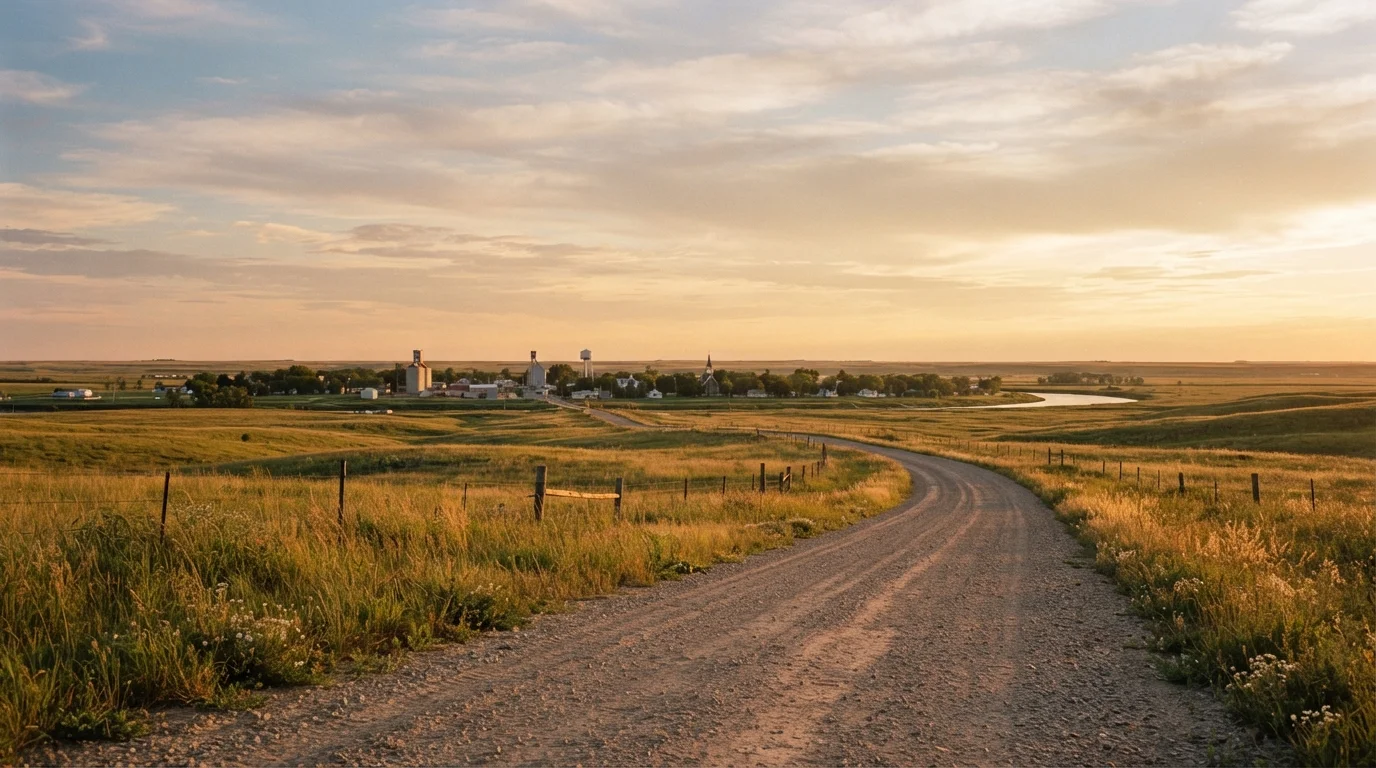
- The Great Plains offer genuine solitude and wide-sky landscapes that no other US region replicates.
- Seasonal timing matters: summers are humid, winters severe, and shoulder seasons often ideal.
Why the Midwest gets underestimated
Most US travelers rank the Midwest somewhere below the coasts, the Southwest deserts, and the mountain ranges when planning a trip. That ranking comes partly from familiarity: many people grew up in or near it, drove through it on interstates, and decided the story was flat corn and long highway miles. That picture is incomplete.
The region spans twelve states, three major river systems, the southern rim of the Great Lakes, and prairie ecosystems that once covered more than a million square miles. Its cities built some of the country's most consequential architecture. Its small towns sat at the center of 19th-century American life and carry that history in courthouses, river landings, and Main Streets that haven't been fully smoothed over by renovation. For travelers willing to leave the interstate, the reading changes.
The Great Lakes region alone stretches from the Indiana dunes through the Lake Superior shoreline, a geography most visitors associate only with Chicago.
How to approach Midwest travel differently
The instinct when crossing a large, less-hyped region is to cover ground: hit the major city, check a park, move on. That approach works against the Midwest. The region's interest is cumulative. A single afternoon in a river town like Galena, Illinois or Hermann, Missouri gives you a surface. Two or three days in the same place opens up the local museum, the county fair schedule, the conversation at the diner about what the town looked like forty years ago.
Slow travel here means choosing a corridor rather than a map full of dots. The Mississippi River towns from Dubuque south to Natchez form one such corridor. The Lincoln Highway across Iowa and Nebraska is another. The Flint Hills in Kansas, one of the largest remaining tallgrass prairie ecosystems in North America, deserves a full day of driving and walking, not a windshield pass.
This approach contrasts with how many travelers handle iconic routes elsewhere. The Pacific Coast Highway has the same problem: speed erases what makes the route worth driving.
What the region actually contains
Chicago is the most visited Midwest city, and it earns that attention for architecture, museums, and food. But it can also crowd out the rest of the region in planning conversations. St. Louis has the Gateway Arch and a substantial brewery and restaurant scene built around local grain culture. Detroit's comeback is real and visible in its Eastern Market, its Midtown galleries, and the Michigan Central Station restoration project. Minneapolis has a nationally recognized theater district and a lake-trail system that makes it genuinely walkable by bike year-round in warmer months.
Smaller places carry specific weight. Columbus, Indiana has more significant modern architecture per capita than almost any comparable American city, the result of a mid-century corporate commissioning program that brought in major architects from across the country. Yellow Springs, Ohio sustains an arts community and food scene that feels improbable in a town of 3,500. The Boundary Waters Canoe Area Wilderness in northern Minnesota is federally protected canoe country that draws serious paddlers and almost no casual visitors.
Urban trail networks in Midwest cities also go underused by visitors who assume the outdoors begins only beyond city limits.
Practical considerations before you go
Midwest weather is not a minor variable. Summers in states like Missouri, Illinois, and Indiana combine heat with humidity that can make outdoor activity genuinely uncomfortable between 11 a.m. and 4 p.m. Winters in Minnesota, Wisconsin, and the Dakotas are severe by any US standard. Spring and fall tend to offer the most reliable conditions, though spring flooding can affect river towns and rural roads. Travelers should check current conditions through state transportation and park agency sources before finalizing itineraries.
Distances between meaningful stops can be long. Renting a car is standard for most Midwest itineraries outside of Chicago. Gas, lodging, and food costs in smaller towns run well below coastal city prices, though availability at rural stops can be limited. Booking accommodations in advance matters more in summer festival season than in the shoulder months.
For context on how the Midwest's open terrain and wide sky compare to other American regions, the contrast with the Mountain West and Pacific Northwest is instructive: those regions are dramatic in vertical scale; the Midwest works on horizontal scale and a different kind of openness.
Travel conditions, entry requirements, road accessibility, and local event schedules change. Verify current details with official state tourism and transportation sources before your trip.