

Key Takeaways
- The Deep South spans six states with distinct subregional identities, not a single uniform culture.
- History here is contested and present; travelers benefit from engaging it honestly rather than selectively.
- Southern cuisine varies significantly by state and community, reflecting African, Indigenous, and European influences.
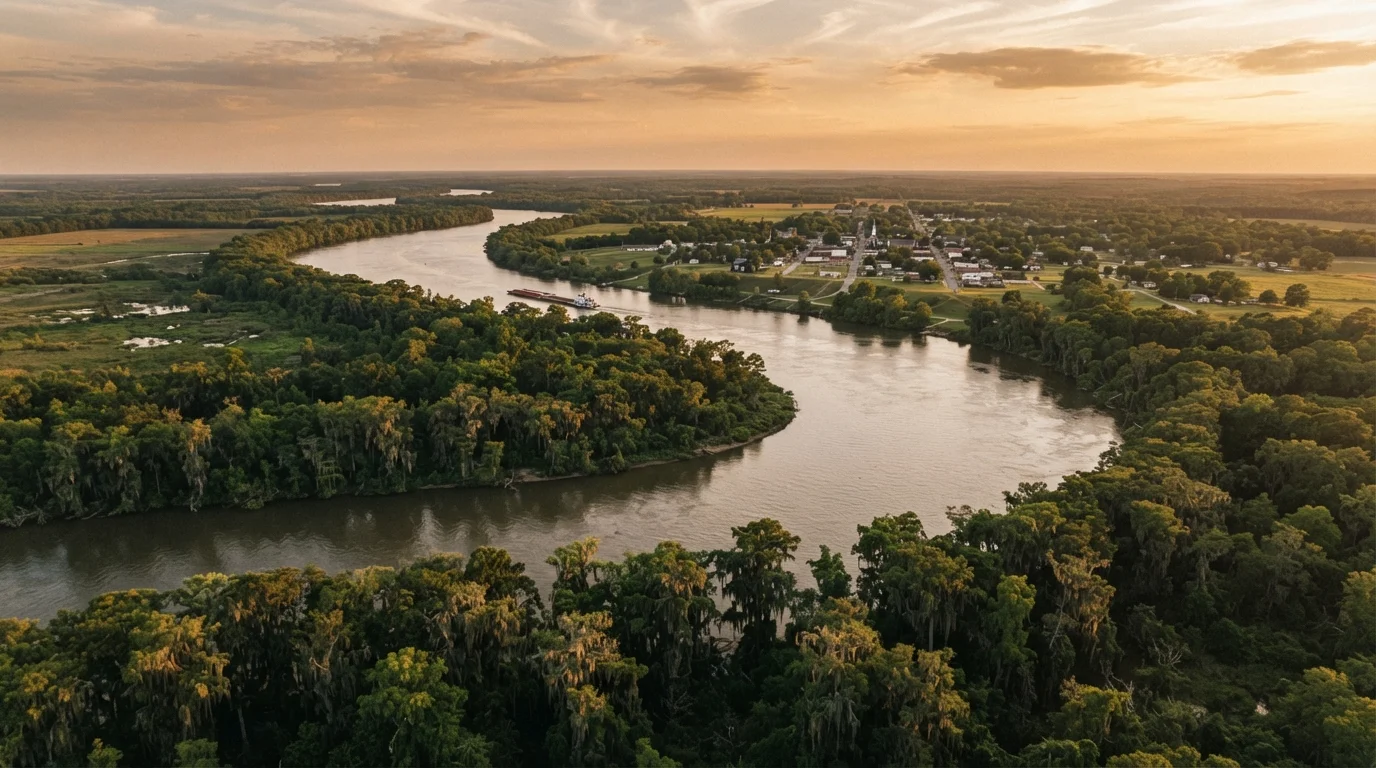
- Coastal marshes, river deltas, and longleaf pine forests give the region geographic variety that surprises many visitors.
- Summer heat and humidity are significant factors; fall and spring are generally more comfortable for outdoor travel.
What the Deep South actually covers
The term "Deep South" has no fixed legal boundary, but it is generally used to describe Alabama, Georgia, Louisiana, Mississippi, and South Carolina, with Arkansas and Tennessee often included depending on the context. Each state has its own urban centers, rural character, and internal contradictions that resist a single label.
Atlanta is a major international city with a large population of transplants. New Orleans operates under French and Spanish colonial law influences that make its legal and cultural systems distinct from the rest of the country. The Mississippi Delta is one of the most economically distressed regions in the United States, and also one of the most musically influential. Travelers who arrive expecting a monolithic "Southern experience" generally leave with a more complicated picture, and that complexity is part of what makes the region worth extended time.
For a sense of how this region differs from other American destinations, slow travel through the Midwest offers a useful contrast: both regions reward patience and attention over checklist tourism.
Historical layers every traveler should understand
No honest account of the Deep South separates its landscape from its history. The region was the center of plantation-based chattel slavery, the site of the Civil War's bloodiest campaigns, and the arena for the Civil Rights Movement of the mid-twentieth century. These histories coexist with antebellum architecture, oral tradition, and a contemporary Black cultural presence that is central, not peripheral, to what the region is.
Several institutions have made serious efforts to address this history directly. The National Memorial for Peace and Justice in Montgomery, Alabama, documents lynching victims across the United States by name and county. The Mississippi Civil Rights Museum in Jackson presents the movement through primary sources and survivor testimony. Both are worth substantial time, not a quick walk-through.
Plantation tourism has been a persistent and debated category. A growing number of sites have shifted their interpretation to center enslaved people's experiences rather than focusing exclusively on the architecture of the planter class. Travelers should research a site's interpretive approach before visiting, as the quality and honesty of that interpretation varies considerably.
Engaging difficult history responsibly
Some sites associated with slavery, Civil Rights events, and racial violence in the Deep South are sacred spaces for descendants and affected communities. Photograph respectfully, read posted guidelines before entering, and follow the lead of site staff on what is and is not appropriate. Some memorials explicitly ask visitors to sit quietly rather than move through quickly. These requests are not suggestions.
Food as a window into the region
Southern food in the broad sense gets flattened into a few familiar items, but the actual culinary geography is more specific. Louisiana's Creole and Cajun traditions draw on French, West African, Spanish, and Indigenous Choctaw foodways. Low Country cooking along coastal South Carolina and Georgia reflects a particular African rice-farming heritage. Memphis barbecue and Alabama white-sauce barbecue are distinct from each other and from Texas-style preparations.
Seafood along the Gulf Coast, particularly oysters, blue crab, and Gulf shrimp, is a regional anchor. The fishing communities that supply these ingredients have faced pressure from industrial pollution and climate-related shifts in water temperature and salinity, which affects what is available and when. For a closer look at Gulf coastal character, comparing the Gulf and Atlantic coasts covers how these shorelines differ in atmosphere and logistics.
Markets, roadside stands, and community cookbooks often give a more accurate picture of local food culture than restaurant reviews written for outside audiences. Asking locals where they eat rather than searching for nationally reviewed spots tends to produce better results.
When planning a food-focused itinerary, contact local visitor bureaus or cultural organizations rather than relying solely on national food publications. They often know about community dinners, church fish fries, and seasonal events that do not appear in mainstream listings.
Local institutions track events that are genuinely community-rooted and open to visitors, which tend to offer more authentic exposure to regional food traditions than tourist-facing establishments.
Build buffer days into a Deep South itinerary, especially in Louisiana and Mississippi. Road conditions, weather, and the genuine pull of an unplanned conversation or local recommendation make rigid day-by-day scheduling counterproductive.
Travelers in this region consistently report that the most memorable experiences came from time they did not schedule in advance.
Landscapes that shape the experience
The Deep South's geography is more varied than many travelers expect. The Appalachian foothills extend into northern Alabama and Georgia. The Mississippi Alluvial Plain is flat, fertile, and defined by seasonal flooding that shaped both agriculture and settlement patterns across centuries. Louisiana's Atchafalaya Basin is one of the largest river swamps in North America, navigable by boat and home to species not found elsewhere in the country.
The longleaf pine ecosystem, which once covered much of the Southeast, has been reduced to scattered remnants, but some protected areas still give travelers a sense of its original scale. Congaree National Park in South Carolina preserves old-growth bottomland forest with trees that can be two centuries old. For travelers interested in how Southern landscapes compare to other US ecosystems, national park regional differences puts the Southeast into a wider geographic frame.
Coastal marshes along Georgia's barrier islands and Louisiana's Terrebonne Parish are ecologically significant and visually striking, but they are also actively eroding due to subsidence and sea-level changes. Some communities have already been relocated. Travelers who visit these areas are seeing a landscape that is changing in real time.
Practical planning considerations
Summer in the Deep South runs hot and humid, with heat index values that regularly exceed 100 degrees Fahrenheit in July and August across much of the region. Outdoor activity during these months requires early morning starts, adequate hydration, and realistic limits. Fall, particularly October through early December, brings lower humidity and more consistent temperatures across most of the region.
Hurricane season runs from June through November, with peak risk between August and October. Travelers planning Gulf or Atlantic coastal stops during this period should monitor conditions and understand their accommodation's cancellation policies. This is general planning guidance; always check current forecasts and any official advisories from the National Hurricane Center before traveling to coastal areas.
Transportation infrastructure in rural parts of the region is limited. A car is necessary for most travel outside of major cities. Public transit is adequate in Atlanta and reasonably functional in New Orleans, but sparse elsewhere. Distances between points of interest can be longer than they appear on maps when unpaved or two-lane roads are involved.
Accommodation options range from historic inns in small towns to large hotel inventories in Atlanta and New Orleans. Budget and availability vary considerably by city and season, so verifying current options through reliable booking sources before finalizing an itinerary is advisable.