

Key Takeaways
- Cruise demographics have shifted significantly; travelers of all ages and backgrounds now sail.
- Shore excursions are optional, and passengers regularly spend meaningful time in port towns independently.
- The all-inclusive label varies by cruise line; many charges are added on top of the base fare.
- Seasickness affects a minority of passengers, and modern ships use stabilizers that reduce motion considerably.
- Solo cruise travel is a growing market, with many ships offering dedicated solo cabins.
Why cruise myths persist
Cruise travel has carried the same stereotypes for decades: retirees in deck chairs, buffet lines stretching to the horizon, and passengers who never actually see a port. These images are outdated, but they stick because they were once partly true, and because people who have never sailed tend to repeat them as fact.
The result is that travelers dismiss cruising without examining it honestly, or they book a cruise with expectations so wrong that the trip disappoints them. Neither outcome is useful. What follows is a direct look at the most common cruise misconceptions, with a plain account of what is actually true.
If you are also weighing whether an ocean or river itinerary suits you better, comparing the two formats is worth doing before you book.
Myths about who cruises and why
Myth
Cruises are for retirees. Younger travelers will feel out of place.
Fact
The passenger age range on most major cruise lines now spans every adult generation, with families and travelers in their 20s and 30s a large and growing segment.
This stereotype has roots in the early mass-market cruise era of the 1970s and 1980s, when pricing and itineraries did skew toward older, wealthier passengers. The industry has changed substantially. Multiple cruise lines now market directly to families, younger couples, and adventure-oriented travelers, with itineraries designed around active shore activities, themed sailings, and shorter voyages that fit tighter vacation windows.
Myth
You never really see the ports. You spend most of your time on the ship.
Fact
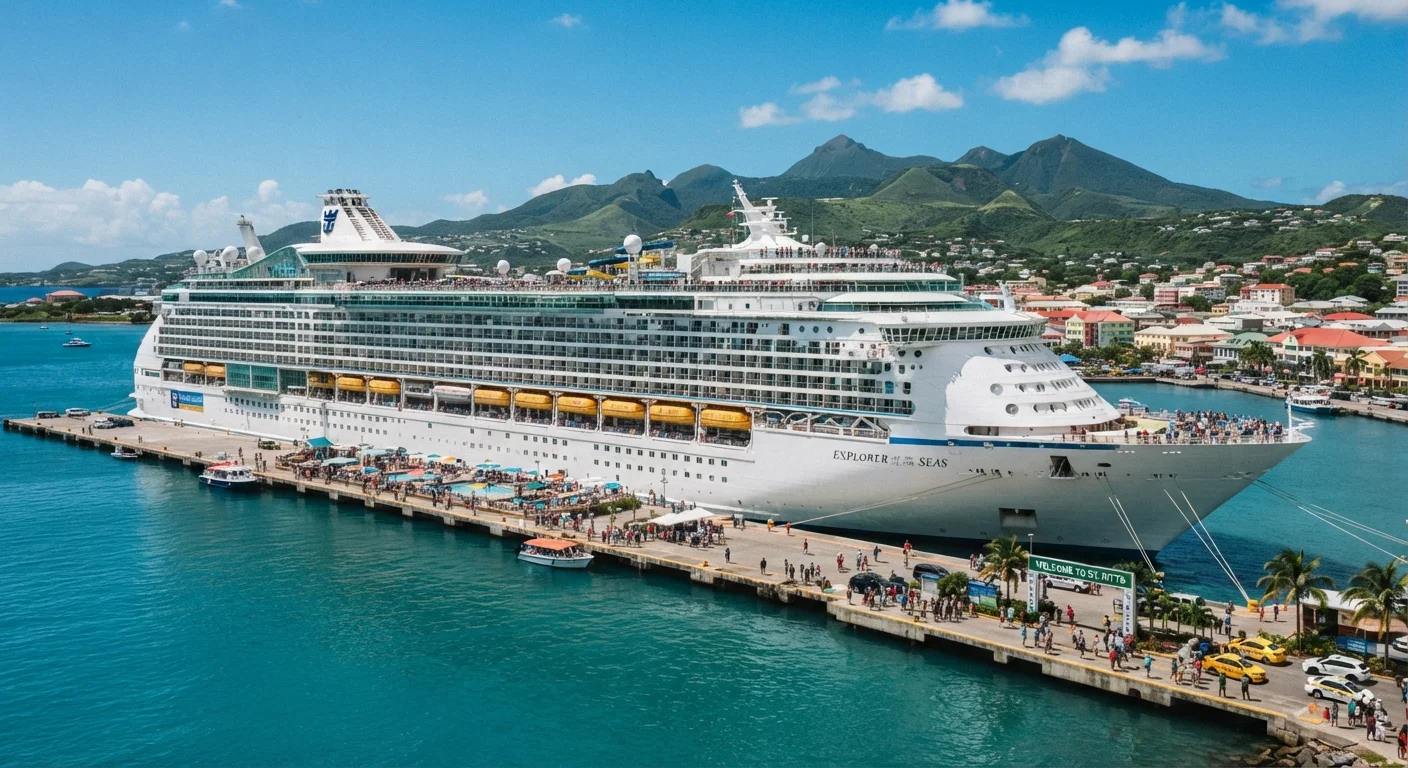
Most itineraries include several hours in port at each stop, and passengers are free to explore independently without booking a ship-organized excursion.
Port time varies by itinerary and destination, but a typical stop gives passengers four to ten hours ashore. Nothing requires you to book a guided shore excursion through the ship. Many travelers walk directly into port towns, use local transportation, and explore at their own pace. The main constraint is returning before the ship departs, which requires attention to the posted all-aboard time.
Myth
Solo travelers always pay double because cruise lines charge a single supplement.
Fact
Many cruise lines now offer dedicated solo cabins priced for one person, and some itineraries periodically waive or reduce the single supplement on standard cabins.
The single supplement, a surcharge applied when one person occupies a double-occupancy cabin, is a genuine cost factor on many sailings. However, the industry has responded to rising solo travel demand. Studio cabins with their own amenity areas for solo guests appear on several major lines. Supplement policies also vary by sailing date, itinerary, and cabin category, so the cost picture is not uniform across all bookings.
Myth
Cruises are unhygienic and norovirus outbreaks are common.
Fact
Cruise ships are subject to regular sanitation inspections, and outbreak rates on ships are broadly comparable to outbreaks in other group-travel settings like hotels and resorts.
The U.S. Centers for Disease Control and Prevention (CDC) runs a Vessel Sanitation Program that inspects cruise ships calling at U.S. ports twice yearly and publishes scores publicly. Ships that score poorly face re-inspection. Norovirus does circulate on ships, as it does anywhere people gather in close quarters, but the frequency and scale of outbreaks is often exaggerated in popular perception. Good hand hygiene from passengers reduces transmission risk substantially.
Myth
Cruise fares are all-inclusive, so there are no surprise charges.
Fact
Base cruise fares typically cover the cabin, standard meals, and onboard activities, but many common expenses are billed separately.
Gratuities, beverage packages, specialty dining, shore excursions, internet, and spa treatments are standard add-on costs on most mainstream cruise lines. The total cost of a cruise trip can run significantly higher than the advertised base fare. Reviewing exactly what is and is not included before booking avoids budget surprises onboard.
The solo traveler point is worth expanding. Single-occupancy cabins, once rare, now appear on multiple mainstream lines. Specialty programming for solo passengers, including organized meetups and shared dining options, is standard on many ships. For a fuller picture of what solo sailing actually involves, an honest breakdown of the pros and cons covers the real trade-offs.
Myths about costs and what is included
~35%
Share of cruise revenue from onboard spending
Industry analysts have estimated that onboard and other ancillary revenue accounts for a substantial share of total cruise line revenue, often around a third or more, beyond what passengers pay for the base fare.
2x+
Potential gap between advertised fare and actual trip cost
Travel budgeting guides consistently note that passengers who do not account for gratuities, beverages, excursions, and internet can spend more than twice the base fare over the course of a voyage.
The word 'all-inclusive' is used loosely in cruise marketing. The base fare typically covers your cabin, main dining, and most onboard entertainment. It does not automatically cover specialty restaurants, alcoholic beverages, shore excursions, gratuities, spa services, or internet access. These extras add up fast, and this is where many cruise budgets quietly spiral. Understanding where onboard spending accumulates helps you plan more accurately from the start.
Read the fare inclusions before you book
Cruise lines vary considerably in what their base fare covers. Some include gratuities and beverages; others bill these separately at rates that add hundreds of dollars to a week-long sailing. Request a full itemized breakdown of what is included and what is not before confirming any booking. This one step prevents the most common source of budget overrun on cruise trips.
Myths about the at-sea experience
Seasickness is real, but it affects a smaller share of passengers than most people expect. Modern large ships carry stabilizer systems that reduce roll considerably, and most itineraries route ships through calmer waters. Passengers who are sensitive to motion often manage well with over-the-counter remedies and cabin placement lower and closer to the ship's center. If you are prone to motion sickness, packing the right items before you board can make a noticeable difference.
The 'floating prison' image, the idea that you are trapped onboard with nothing to do, also does not reflect how contemporary ships are designed. Large ocean ships carry multiple dining venues, pools, fitness facilities, live entertainment, and in some cases, go-kart tracks or climbing walls. The activity density is closer to a resort than to a ferry crossing.
Similar myth patterns appear in general international travel: unfamiliarity breeds assumptions that rarely survive contact with the actual experience.