

Key Takeaways
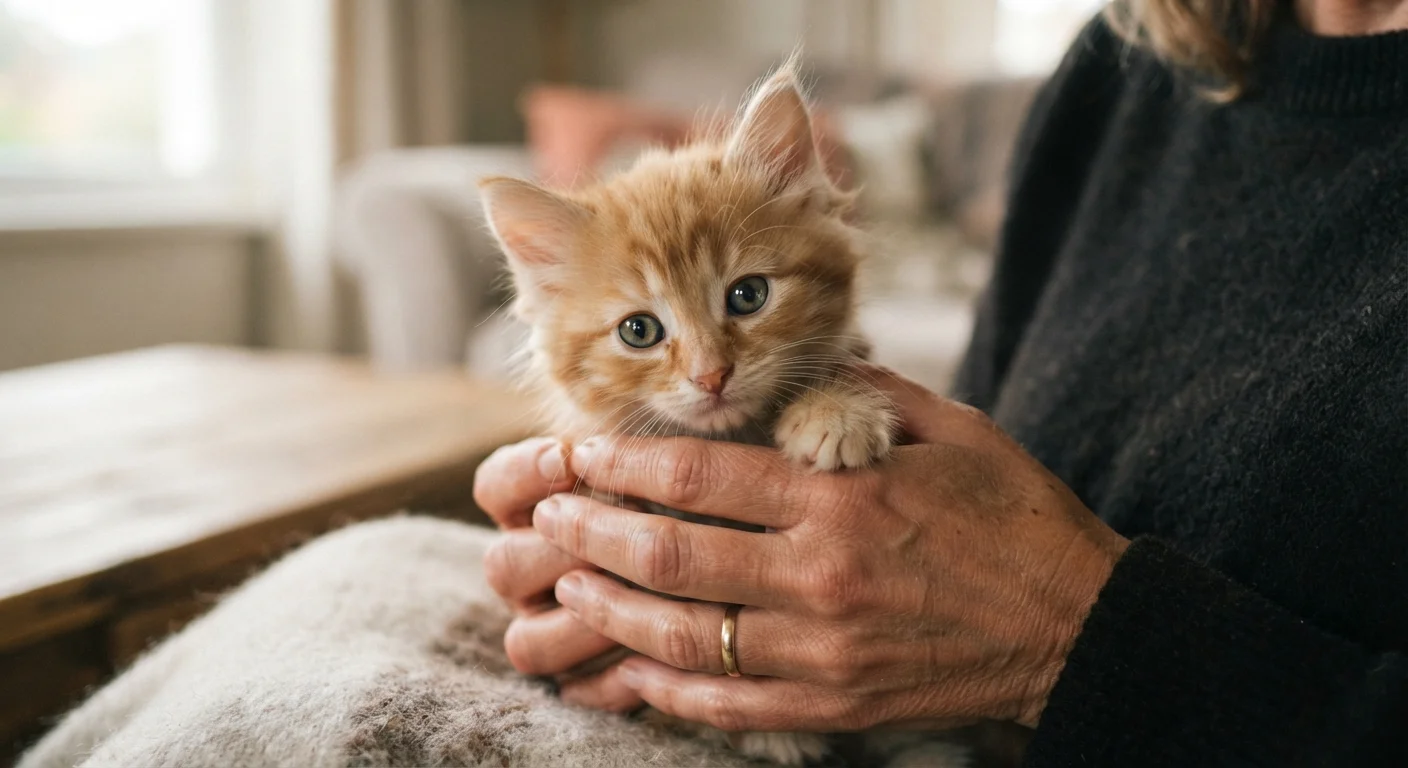
- The primary socialisation window in kittens closes around 7 to 9 weeks of age, though gentle exposure continues to help beyond that point.
- Positive handling by multiple people during this period reduces fear-based behaviour throughout a cat's life.
- Introducing varied sounds, surfaces, and other animals during kittenhood builds lasting confidence.
- Kittens adopted after 12 weeks can still be socialised, but the process requires more patience and consistency.
- Working with a veterinarian supports safe, healthy socialisation alongside a proper vaccination schedule.
Why timing matters so much
Cats are not born with a fixed temperament. What shapes their social behaviour most is a brief developmental phase called the sensitive period for socialisation, which runs roughly from two to seven weeks of age, with meaningful influence extending to about nine or ten weeks. During this window, a kitten's brain is primed to accept new experiences as normal. After it closes, the nervous system becomes far more cautious about novelty.
Research in feline behaviour, including work from the Universities Federation for Animal Welfare, shows that kittens handled gently for even a few minutes each day during this phase become measurably more approachable and less stress-reactive as adults. Kittens who receive little human contact before nine weeks often remain wary of people throughout their lives, regardless of later effort.
This is not a reason for alarm. It is a reason to act thoughtfully and early, because the return on investment is enormous relative to the time involved.
What good socialisation actually looks like
Socialisation is not simply holding a kitten often. It is structured, positive exposure to the range of things the kitten will encounter as an adult cat.
For owners thinking about the long-term lifestyle their cat will lead, the trade-offs between indoor and outdoor life are worth reading alongside this, since the environment a cat will inhabit changes which experiences matter most to include early on.
Quick steps you can take now
If your kitten is still within or close to the sensitive window, a few targeted actions today can make a measurable difference.
For a broader foundation in kitten health during this same early period, first-time pet owner health essentials covers vaccination schedules, parasite prevention, and early vet registration, all of which work alongside socialisation rather than separate from it.
When you adopt a kitten past the window
Many cats are adopted at twelve weeks or older, and some arrive from situations where early handling was minimal. The sensitive period has passed, but the cat's behaviour is not fixed.
Older kittens and young adult cats can still learn to trust people through a process sometimes called remedial or secondary socialisation. It works on different brain mechanisms than early exposure does, so progress is slower and requires more consistency. The principles remain the same: low pressure, high predictability, positive associations with human presence, and giving the cat control over how fast contact increases.
Patience with a shy cat matters more than frequency of interaction. Forcing contact when a cat is visibly stressed sets the process back. Short, calm sessions where the cat chooses to approach produce better long-term results than prolonged handling the cat tolerates but does not seek.
If you are planning to bring a second pet into a home that already has a cat, the resident cat's socialisation history affects how introductions go. What the research on animal introductions suggests offers practical guidance grounded in that science.
This article is for general informational purposes only and is not a substitute for professional veterinary advice. Consult your veterinarian with any concerns about your kitten's health or behaviour.