

Key Takeaways
- Knowing your ship's all-aboard time and port schedule is the foundation of any port day plan.
- Walking distance, transport logistics, and currency needs should be researched before arriving.
- Independent arrangements require more planning but can stretch your time and budget further.
- Crowds thin out significantly if you leave the pier area early and return during peak excursion hours.
- Missing the ship's departure is entirely your responsibility when traveling independently ashore.
What you will need
Why port day timing is harder than it looks
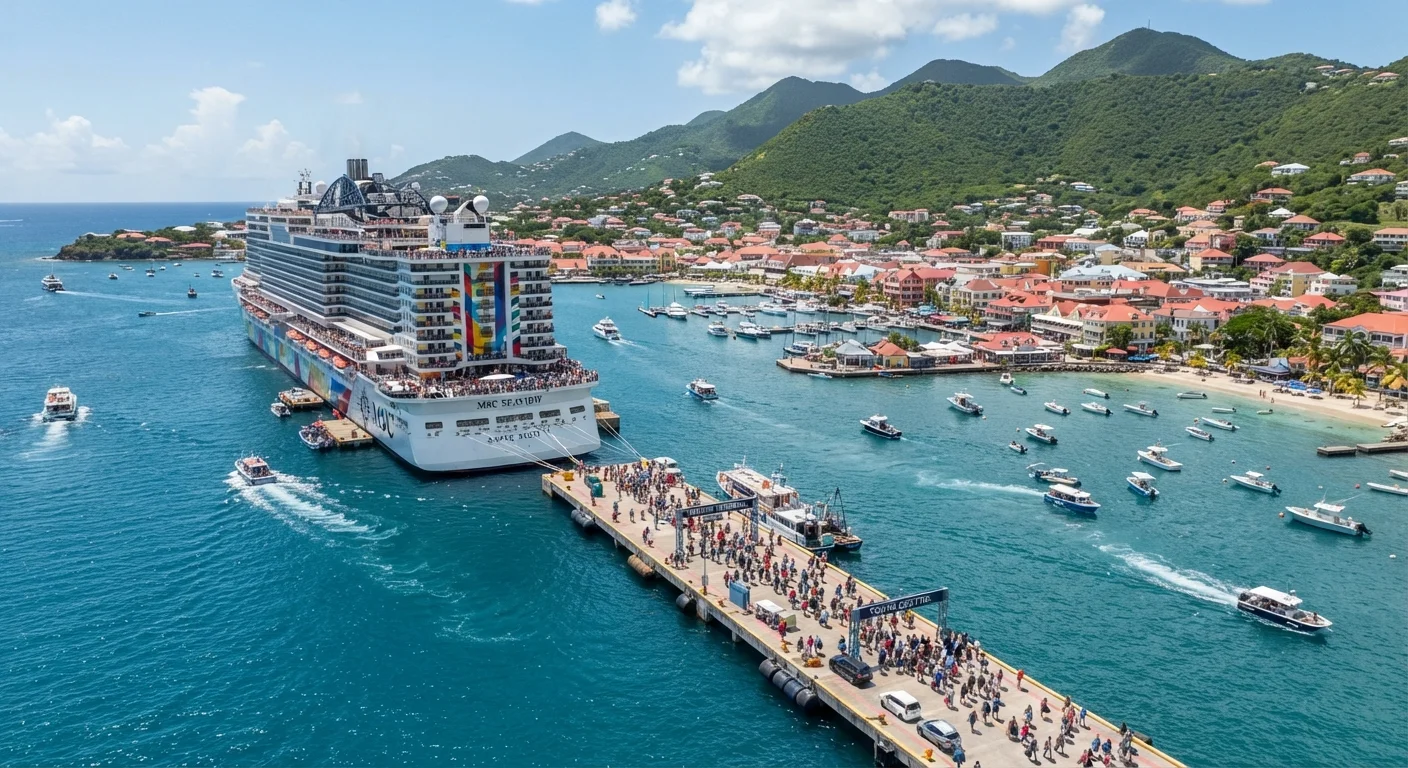
A typical port call lasts between six and ten hours, which sounds generous until you account for tendering, transport to the main sites, and the crowd patterns that come with docking alongside two other large ships. The time you actually have for meaningful exploration is often three to five hours. That gap surprises first-time cruisers and still catches experienced travelers off guard when they underestimate the logistics at a new destination.
Tender ports add the largest variable. When the ship anchors offshore rather than docking, you board a small boat to reach land, wait for it to fill, and repeat the process on the way back. On a busy day, the round trip can consume 90 minutes of your window ashore. Knowing in advance whether your stop is a tender port changes how you structure everything else.
River cruises handle port time differently from ocean itineraries: river vessels typically dock in town centers, which removes the transport problem entirely. For ocean itineraries with commercial ports, planning is what separates a satisfying day from a rushed one.
Use the port map from the cruise line
Most cruise lines distribute a basic port map either in your cabin or through their app. It reliably shows the pier layout, the nearest town center, and suggested walking routes. Even if you plan independently, this map tells you exactly how far you are from the main transport hub, which affects every timing decision you make ashore.
What to prepare before the ship arrives
Research does most of the heavy lifting. Before the port day, confirm whether your destination requires any identification beyond a standard ship card, check the approximate cost and availability of local transport from the pier, and download an offline map of the town. Currency needs vary: some ports are cash-heavy economies, while others accept cards at most businesses. Arriving without small bills can cost you time at an ATM during your first hour ashore.
What you will need
If you have not yet decided how to book activities, review the pre-departure checklist for confirmations you should have in place before embarkation day, including any shore excursion reservations. Last-minute bookings at the pier are possible but usually more expensive.
Verify entry requirements before arriving
Some ports require identification beyond your ship card, and a small number of destinations have specific currency, dress code, or visa requirements that apply even to cruise passengers. Check official government travel advisories and your cruise line's port information sheet, as rules can change between booking and sailing.
Step-by-step: planning and executing your port day
Follow these steps in order. The first two happen the evening before arrival; the rest unfold on the day itself.
Confirm your port schedule the night before
Check the ship's daily newsletter or app for the exact arrival time, pier number, and all-aboard time. These details occasionally shift due to weather or port congestion. Note whether tendering is required: if the ship anchors offshore, tender boats add 20 to 40 minutes each way to your effective time ashore, and tender queues are longest right after the ship arrives.
Map out your priorities and set a realistic itinerary
Write down two or three things you want to accomplish ashore, then sequence them by location rather than preference. Grouping nearby activities first and saving closer-to-pier stops for later reduces backtracking. Factor in travel time between sites: a 15-minute taxi ride in each direction eats 30 minutes before you account for any waiting.
Decide on shore excursions vs. independent exploration
Ship-organized excursions offer a guaranteed return to the pier on time, but they cost more and move at a group pace. Independent arrangements give you more flexibility and often access to places tour buses do not stop. Understand the trade-offs between booking through the ship and going independently before committing, since the right choice depends on the port, your group size, and your comfort level navigating unfamiliar transport.
Leave the pier area early
The half-mile around any cruise pier is usually crowded with vendors, overpriced taxis, and tour touts for the first hour after arrival. Walking or taking a pre-arranged ride past this zone puts you in the actual town faster and at a lower cost. If multiple ships are in port on the same day, popular sites fill up by mid-morning: aim to reach your first stop within 45 minutes of going ashore.
Build your return buffer and stick to it
Set a departure alarm for the time you need to leave your farthest point in order to reach the pier 45 minutes before all-aboard. This covers unexpected traffic, a slow taxi wait, or a longer tender queue caused by everyone returning at the same time. Treat this alarm as non-negotiable: browsing one more market stall is not worth missing the ship.
[important_callout]Track spending as you go
Port days are where cruise budgets absorb unplanned costs: impulse purchases, overpriced convenience food near the pier, and last-minute transport. Decide on a cash limit before going ashore and leave extra cards on the ship if overspending is a pattern. Common cost traps that cause cruise budgets to spiral include pier-area meals and tours booked hastily on the day.
Making sense of the <a href="/travel-smart/international-destinations">international destinations</a> you visit
Each port has a different relationship with cruise tourism, and that shapes the experience. Some ports are built around ship arrivals, with infrastructure and pricing scaled to tourist volumes. Others are working towns where cruise passengers are one small part of daily life. In the second type, local transport is cheaper, restaurants are less crowded near the pier, and a short walk or taxi ride opens up a completely different atmosphere.
Language, currency, and local customs all factor into how smoothly your day runs. A few basic words in the local language go further than expected. Checking whether a site requires a dress code or has restricted hours before you arrive prevents wasted trips. The goal is not to over-schedule every minute, but to understand enough about the destination to make real choices rather than defaulting to whatever is sold at the pier.