

Key Takeaways
- A wellness exam covers far more than vaccines; it includes a full physical assessment of every major body system.
- Vets use weight trends over multiple visits to detect conditions before obvious symptoms appear.
- Dental disease is the most commonly missed concern owners overlook between annual visits.
- Senior pets generally benefit from twice-yearly exams because age-related changes happen faster.
- Bringing a list of behavioral changes or questions makes the appointment more productive for both owner and vet.
Annual pet wellness exam
An annual wellness exam is a scheduled, head-to-tail physical checkup performed by a licensed veterinarian, typically once a year for adult pets and more frequently for seniors or young animals. It covers body systems, weight, dental health, vaccinations, and parasite status. The goal is to catch developing problems early and keep preventive care current.
Vets use the term 'wellness' to distinguish this preventive visit from a 'sick visit,' where a specific illness or injury is the reason for the appointment. The two serve different clinical purposes.
What the physical exam actually covers
The centerpiece of any wellness visit is the hands-on physical examination. The vet moves systematically through the body rather than focusing on one area. They check the eyes for cloudiness or discharge, the ears for inflammation or odor, and the mouth for tartar buildup, gum color, and tooth fractures. Dental disease is widespread in adult dogs and cats, and its early signs are easy to miss at home.
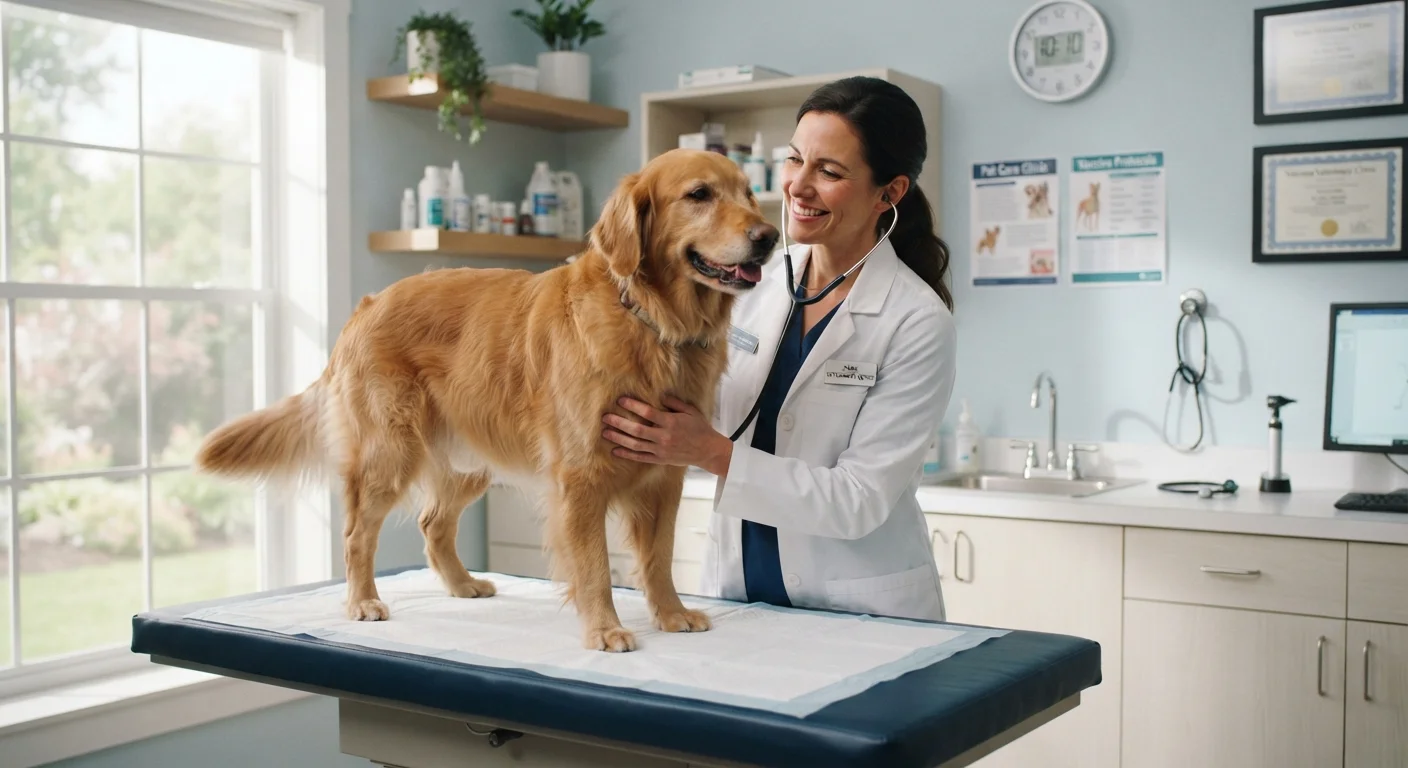
From there, the vet palpates the abdomen to feel the size and texture of organs such as the liver, spleen, kidneys, and bladder. Lumps, unusual firmness, or tenderness can all prompt further investigation. The lymph nodes are also felt for swelling, which can signal infection or other systemic changes. Heart and lung sounds are assessed by stethoscope; abnormal rhythms or murmurs detected here often lead to follow-up diagnostics before the pet shows any outward sign of distress.
The skin, coat, and nails round out the exam. Grooming connects directly to health, and what the vet observes during this portion can reflect everything from nutritional status to endocrine imbalances. Weight is recorded and compared with previous visits. A trend of gradual gain or loss over several years often signals a problem long before a single reading would.
Vaccines and parasite prevention
Vaccination review is a standard part of the annual visit, but it is not a one-size-fits-all process. The vet checks what the pet has received, what is due, and what the pet's lifestyle actually warrants. A dog that visits dog parks has different exposure risks than one that rarely leaves a fenced yard. How vaccine schedules work depends on the type of vaccine, the pet's prior history, and regional disease patterns.
Parasite status is assessed through a fecal flotation test, which detects intestinal parasites such as roundworms, hookworms, and giardia. Many of these parasites shed inconsistently, so collecting a fresh sample (within 24 hours of the appointment) improves accuracy. Heartworm testing, done through a blood draw, is typically recommended annually for dogs in most parts of the United States. Year-round parasite prevention is a topic most vets address during this conversation, since owners commonly have gaps in their current routine without realizing it.
Collect the fecal sample the morning of the visit
A stool sample collected within 24 hours gives the lab the most accurate parasite reading. Store it in a sealed container in the refrigerator until you leave. Many clinics provide a small collection kit if you call ahead.
Diagnostics beyond the physical exam
For adult and senior pets, the vet may recommend bloodwork alongside the physical exam. A basic metabolic panel checks kidney and liver function, blood glucose, and protein levels. A complete blood count looks at red and white blood cell populations and platelet numbers. Together, these results can reveal early kidney disease, anemia, infection, or diabetes before clinical symptoms are obvious.
Thyroid testing is common for middle-aged and older cats, since hyperthyroidism is one of the most frequent endocrine conditions in felines over ten. Urinalysis is another useful add-on, particularly for cats prone to urinary tract issues and for senior dogs whose kidney numbers are being monitored.
The vet may also discuss orthopedic concerns, especially in larger breeds or older animals. Subtle changes in gait, reluctance to jump, or stiffness after rest can appear years before a pet stops moving altogether. Noting these observations before the visit helps the vet know where to focus during the musculoskeletal portion of the exam.
How to prepare for a productive appointment
The quality of information you bring directly affects what the vet can do with the visit. Writing down any behavioral changes noticed since the last appointment, including shifts in appetite, water intake, sleep patterns, or activity level, gives the vet context that a physical exam alone cannot provide.
For owners of older pets, a conversation about nutrition is worth initiating. Nutritional needs change as pets age, and the annual exam is a natural point to reassess whether the current diet still fits the pet's life stage and health status.
It also helps to think of the wellness visit as part of a broader safety plan. Knowing your vet's emergency protocol and having basic supplies at home connects the routine to the unexpected. A pet first aid plan is worth reviewing alongside the annual exam so both preventive care and emergency preparedness stay current together.
This article is for general informational purposes only and does not constitute veterinary or medical advice. Always consult a licensed veterinarian for guidance specific to your pet's health needs.