

Key Takeaways
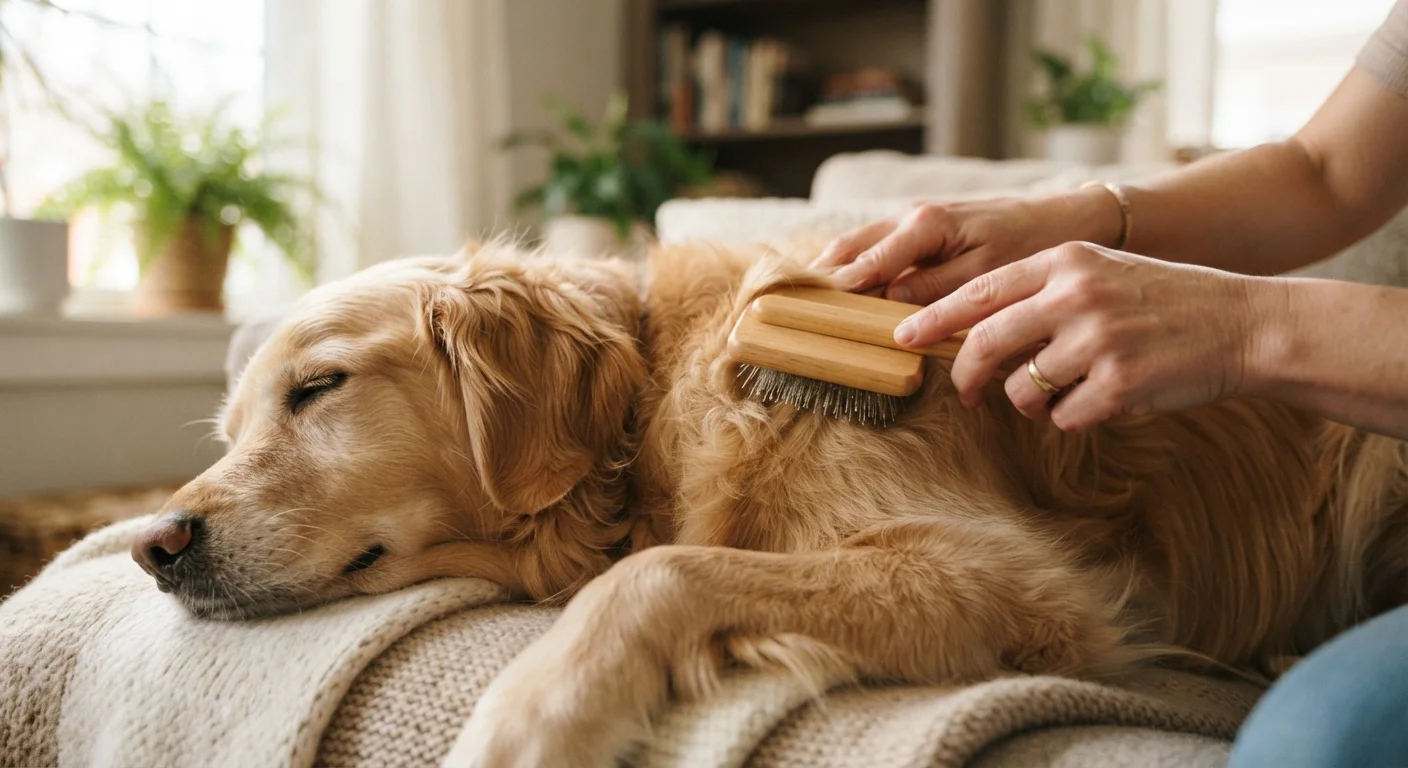
- Regular brushing improves circulation and lets owners spot lumps, skin changes, or parasites early.
- Overgrown nails can alter a pet's gait and cause joint stress over time.
- Ear cleaning prevents moisture buildup that leads to chronic infections.
- Grooming builds a pet's tolerance for handling, which makes veterinary exams less stressful.
- Frequency and technique vary by species, coat type, and life stage.
Grooming as a health practice
Grooming as a health practice means treating brushing, nail trimming, ear cleaning, and coat care as routine health maintenance rather than purely cosmetic tasks. Each grooming session is an opportunity to examine your pet's skin, coat, ears, eyes, paws, and body condition for early signs of illness or injury. Caught early, many conditions are easier and less costly to address.
Veterinary professionals often describe grooming as a form of passive physical examination, because consistent handling familiarizes owners with their pet's normal baseline, making abnormalities easier to detect.
Why grooming is a health habit, not a beauty routine
Most pet owners think of grooming as tidying up between baths. The framing matters, though, because when grooming is understood as health maintenance, it gets the consistency and attention that cosmetic tasks often do not. A thorough brushing session is a full-body scan in slow motion. Running hands through fur, lifting ears, checking paw pads, and pressing gently around joints covers much of what a basic physical exam does.
This matters practically. Pets cannot describe pain, itching, or discomfort in words. A lump noticed during a routine brush-out, a patch of hair loss at the base of the tail, or a foul smell from one ear are the kinds of findings that lead to early diagnosis. The earlier a skin infection, parasitic infestation, or growth is identified, the more straightforward treatment tends to be.
Annual wellness exams cover many of the same body areas that grooming touches. Owners who groom regularly arrive at those appointments already knowing their pet's normal baseline, which makes unusual findings easier to communicate to the vet.
What each grooming task actually does for the body
Brushing and coat care: Brushing removes dead hair, debris, and the early stages of mat formation, but it also stimulates the skin and distributes natural oils along the coat. Mats are not just cosmetic problems; tight ones pull the skin, restrict circulation, trap moisture, and create conditions for bacterial or fungal growth underneath. In heavily matted coats, wounds can go unnoticed for days.
Nail trimming: Nails that grow too long change the angle at which a pet's foot meets the ground. Over time this shifts weight distribution and stresses the joints, particularly in older animals. In severe cases, nails can curl into the paw pad. Trimming every three to four weeks prevents these structural problems and keeps the quick (the blood vessel inside the nail) from extending further as the nail grows.
Ear cleaning: Dogs with floppy ears, and cats with narrow ear canals, are prone to moisture and wax buildup that bacteria and yeast use as a growth medium. Gentle, appropriate cleaning removes that buildup before infection takes hold. Signs that cleaning has not been sufficient include head shaking, scratching at the ear, dark discharge, or odor.
Eye and paw care: Wiping discharge from the corners of the eyes prevents skin irritation and staining. Checking paw pads for cracks, cuts, or foreign objects (like grass seeds) is part of the same routine. These are small steps that prevent minor issues from becoming infections.
Make a body map for your pet
After a few grooming sessions, jot down where your pet has any existing lumps, skin tags, or scars. This simple record makes it much easier to notice when something new appears. Share updates with your vet at each annual exam.
Grooming across life stages
Young animals benefit from early and gentle grooming exposure even before their coat or nails need much attention. Handling paws, ears, and mouths from puppyhood or kittenhood builds tolerance that carries through life. A pet that accepts handling calmly is easier for veterinarians to examine and less stressed during necessary procedures.
As pets age, grooming needs shift. Older animals may have thinner skin that bruises more easily, coats that mat faster due to reduced self-grooming, or nails that grow at different rates. Joint pain can make certain grooming positions uncomfortable. Caring for a senior pet involves adjusting both the frequency and the approach to grooming to keep sessions comfortable. Shorter, more frequent sessions may work better than longer ones.
Consistent daily routines also reduce anxiety in pets generally. Grooming at predictable times helps animals learn that handling is safe and familiar, which lowers the stress response each time.
Building a grooming routine that sticks
Starting with short sessions and ending on a calm note teaches a pet that grooming is unremarkable. Pushing through a pet's distress tends to worsen the association over time; stopping before anxiety peaks and gradually extending the duration over weeks is more effective.
Tools matter. Using a brush suited to the coat type avoids unnecessary pulling. Nail clippers should be sharp, because blunt ones crush rather than cut, which is uncomfortable. For ear cleaning, only products formulated for the purpose should be used; cotton swabs insert debris deeper and risk damaging the canal.
Owners who notice anything during grooming, such as a new lump, unusual skin texture, persistent scratching at one area, or lameness after nail trimming, should contact their veterinarian rather than wait for a scheduled appointment. These findings are exactly what routine grooming is designed to surface. See first-time pet owner health essentials for a broader foundation covering the basics of routine care.
This article is for general informational purposes only and is not a substitute for professional veterinary advice. Always consult a licensed veterinarian for guidance specific to your pet's health and care needs.