

Key Takeaways
- Tenants are generally responsible for minor upkeep and keeping the unit clean.
- Landlords must maintain habitability, including working heat, plumbing, and structural safety.
- Your lease spells out additional duties that may go beyond the legal minimum.
- Unreported damage caused by a tenant can become the tenant's financial liability.
- State and local laws set the floor for landlord obligations and cannot be waived by lease language.
Renter maintenance responsibilities
Renter maintenance responsibilities are the upkeep tasks that a tenant is legally or contractually expected to handle during a tenancy. These typically include minor, day-to-day tasks like replacing light bulbs or keeping the unit clean, while landlords remain responsible for structural repairs and habitability. The exact split depends on your lease and local landlord-tenant law.
In most U.S. states, landlords must maintain rental units in a habitable condition under an implied warranty of habitability, but leases can assign specific minor maintenance duties to tenants within the limits permitted by state law.
The basic split: what the law sets as a baseline
Most U.S. states impose a baseline on landlords through an implied warranty of habitability. This means a landlord must keep the unit structurally safe, weatherproof, and equipped with working heat, hot water, and plumbing. Electrical systems must meet code. Common areas must be maintained. These obligations generally cannot be signed away in a lease.
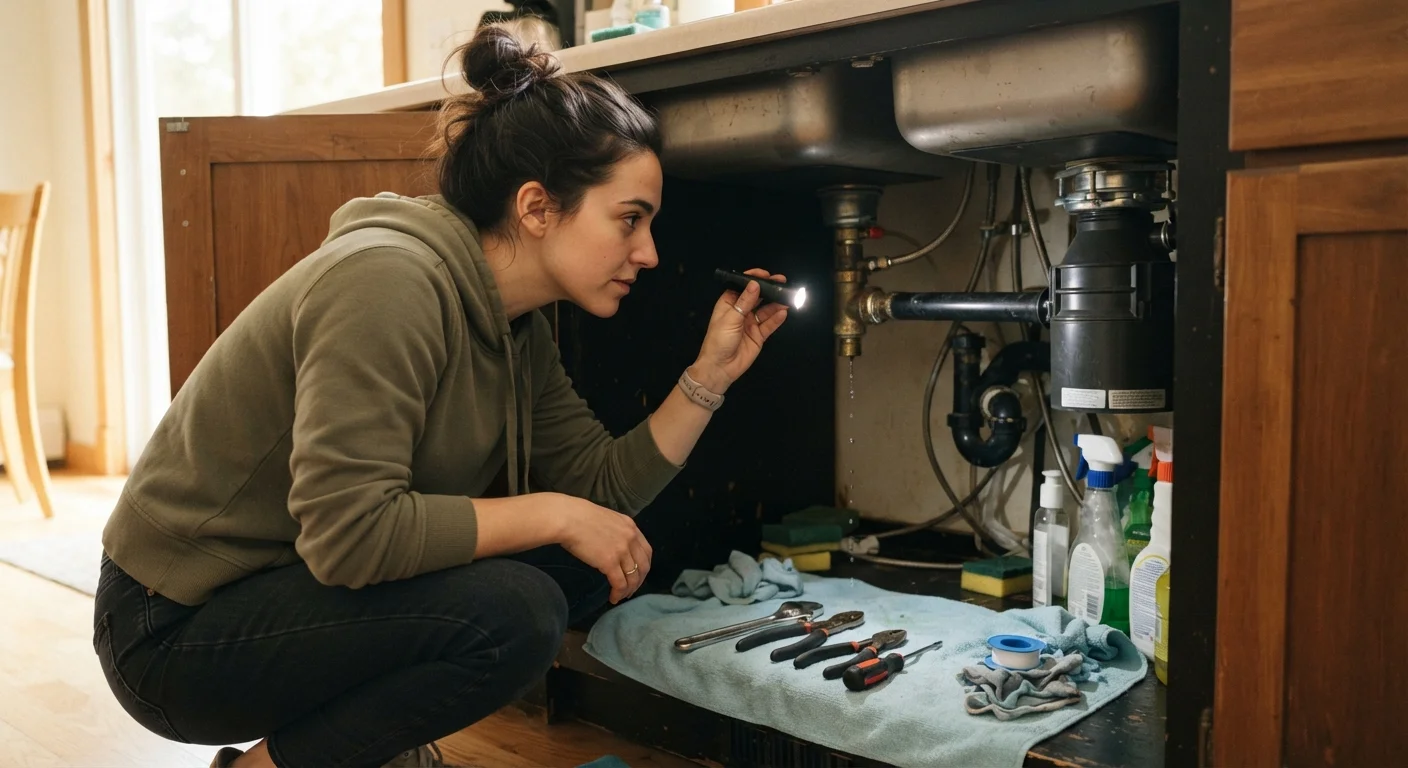
Tenants, on the other side, have a baseline duty to keep the unit clean and to use fixtures and appliances as intended. That means disposing of trash properly, not blocking drains with grease, and reporting problems promptly. Failing to report a slow leak, for example, can convert a landlord's plumbing problem into a tenant liability once water damage spreads.
Local law matters too. A handful of cities have tenant protections that go beyond state minimums, so it is worth checking your city or county housing authority's website for local ordinances.
What leases typically assign to tenants
Beyond the legal baseline, leases often assign specific tasks to tenants. Common examples include:
- Replacing light bulbs, batteries in smoke detectors, and HVAC filters on a set schedule
- Keeping outdoor areas, patios, or assigned yards free of debris
- Notifying the landlord in writing when appliances, plumbing, or heating malfunction
- Avoiding alterations, nail patterns beyond ordinary picture hanging, or painting without written approval
Some leases go further, assigning lawn care or minor plumbing tasks like unclogging drains caused by tenant use. Read every clause carefully before signing. If a provision feels unusual, ask for clarification in writing before you move in.
Document every repair request in writing
Send repair requests by email or text so you have a timestamped record. Keep copies of all responses. This protects you if a dispute arises at move-out or if you ever need to escalate to a housing authority.
Keeping a personal log of every repair request you make, and every maintenance task you complete, creates a record that protects you at move-out. The home maintenance log guide covers how to set one up simply and effectively.
Damage versus wear and tear
Security deposit disputes often come down to this distinction. Normal wear and tear is the gradual, unavoidable deterioration that happens through ordinary use over time. A worn carpet path in a hallway, small scuffs on baseboards, or paint that has faded over a three-year tenancy all fall into this category. Landlords cannot charge tenants for these.
Damage is different. A burn mark on the countertop, a cracked tile from a dropped object, or a hole in drywall from rough handling are tenant liabilities. The longer you occupy a unit, the more deterioration is considered normal, but this does not cover neglect or misuse.
Take dated photos at move-in and move-out. Many tenant advocacy organizations recommend a joint walk-through with the landlord at both points, with a written checklist signed by both parties. This single habit removes most ambiguity later.
Repairs tenants should never attempt alone
Some work in a rental unit is beyond what a tenant should touch, regardless of skill level. Electrical panel work, gas line repairs, structural modifications, and anything requiring a permit are the landlord's domain and, in most jurisdictions, must be done by a licensed professional. Attempting these without authorization can void your renter's insurance coverage and expose you to liability if something goes wrong.
Speaking of coverage: renters insurance does not cover damage you cause through unauthorized repairs. Understanding your policy limits before picking up a wrench is worth the ten minutes it takes to read the relevant sections.
Minor fixes, such as tightening a loose cabinet hinge, replacing a showerhead, or patching a small nail hole with filler before move-out, are generally acceptable. When in doubt, ask your landlord in writing before starting any work.
What to do when a landlord does not act
When a landlord ignores a legitimate repair request for a habitability issue, tenants have legal options in most states. The process typically requires written notice, a reasonable waiting period (often 14 to 30 days depending on the state), and then one of several remedies: withholding rent into escrow, using a repair-and-deduct remedy, or filing a complaint with the local housing authority.
Document everything. Save the original written request, any responses, and photos of the condition. If you escalate to housing court or a mediation process, this documentation is what determines the outcome. Local tenant rights organizations and legal aid offices can advise on your specific state's process without charge in many cases.
This article is for informational purposes only and does not constitute legal advice. Landlord-tenant laws vary by state and locality. Consult a qualified attorney or local tenant rights organization for guidance specific to your situation.