

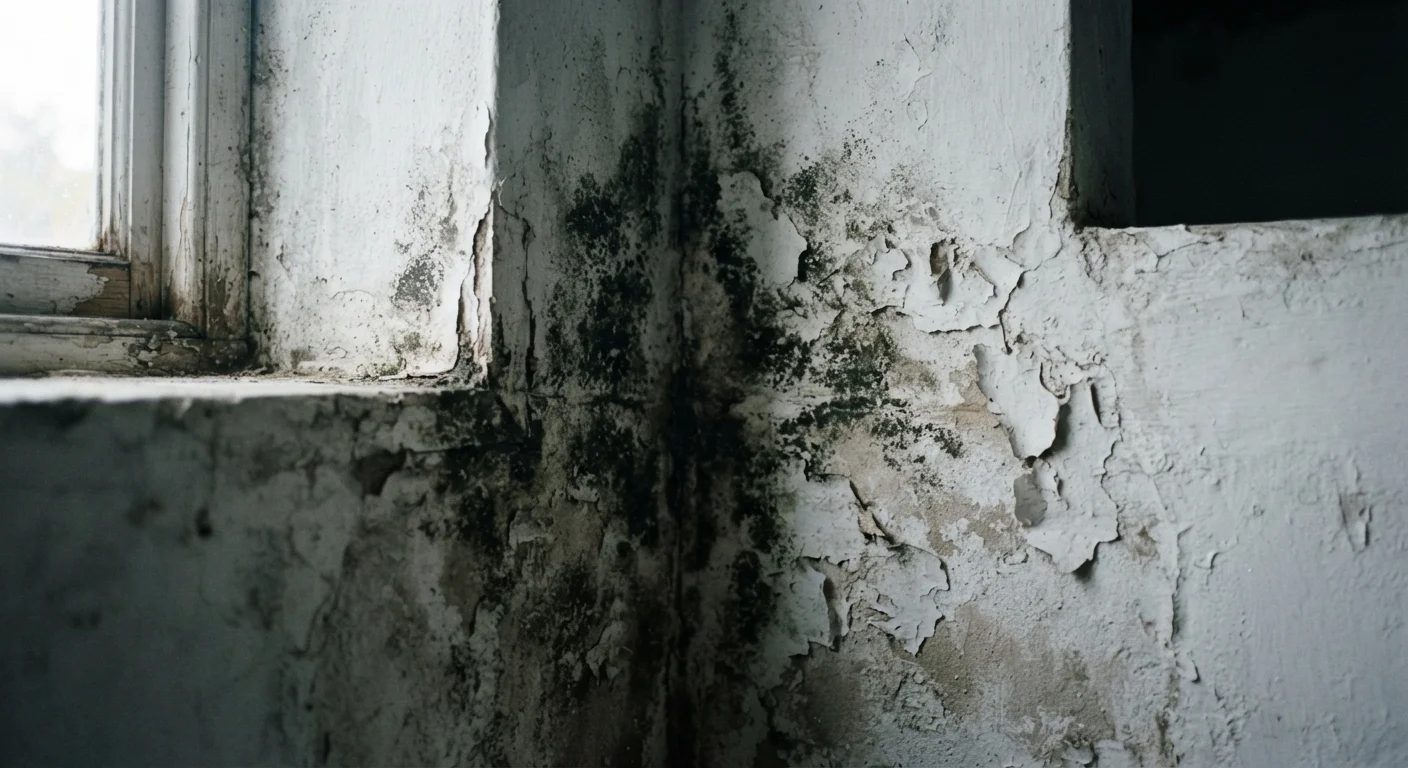
Key Takeaways
- Painting over mould does not kill it; the growth continues beneath the surface.
- Condensation on windows is a symptom of poor ventilation, not just cold weather.
- Bleach treats surface discolouration but does not eliminate mould roots in porous materials.
- Rising damp is far less common than penetrating damp or condensation-related moisture.
- Mould can grow in well-heated homes if humidity and airflow are not managed properly.
Why damp and mould are so widely misunderstood
Damp and mould sit at the top of the list of home problems that people think they understand but often get wrong. The misconceptions are persistent partly because some fixes seem to work in the short term, and partly because the underlying causes are invisible until damage is already done.
Getting the facts straight matters for practical reasons. Acting on a false belief can mean spending money on the wrong fix, or making conditions worse. A homeowner who reaches for a tin of paint when they spot black mould on a wall is not fixing the problem; they are hiding it temporarily while the colony expands. The common DIY myths that cost homeowners time and money article covers the broader pattern of this kind of well-intentioned but counterproductive action.
The myth-and-fact pairs below address the beliefs that come up most often, focusing on what the evidence actually supports.
Myth
Painting over mould kills it and stops it coming back.
Fact
Paint seals mould in temporarily but does not kill the fungal growth beneath. The colony continues to grow and will break through the surface again.
Mould is a fungus with root-like structures called hyphae that penetrate porous surfaces. A coat of standard paint, even one labelled anti-mould, does not reach those roots. Within weeks or months, the growth returns through the new paint layer. To properly address mould on a painted wall, the surface needs to be treated with a fungicidal solution, allowed to dry completely, and then assessed to confirm the moisture source has been fixed before any repainting. See common exterior paintwork mistakes for related guidance on surface preparation before painting.
Myth
Bleach is the most effective mould treatment for any surface.
Fact
Bleach removes surface staining on non-porous materials, but it does not penetrate porous surfaces deeply enough to kill mould at the root level.
On tiles, glass, or sealed grout, diluted bleach can be effective at removing visible discolouration. On plasterboard, bare wood, or unsealed grout, bleach solution does not absorb far enough to reach the hyphae. The water in the bleach can also add moisture to an already damp surface, which may worsen conditions. Fungicidal washes formulated specifically for porous surfaces penetrate more effectively. In many cases where mould has colonised porous material significantly, removal and replacement of the affected section is the only reliable option.
Myth
Condensation on windows is just normal and nothing to worry about.
Fact
Regular condensation on interior glass is a sign that indoor humidity is too high and ventilation is insufficient, both of which create conditions for mould growth on walls and ceilings.
A small amount of condensation on single-glazed windows during an exceptionally cold night is relatively common. Persistent condensation, particularly on double-glazed units, points to a meaningful moisture imbalance indoors. Cooking, bathing, drying laundry inside, and even breathing all introduce water vapour into the air. Without adequate ventilation, that vapour condenses on cold surfaces. Windows show it visibly, but condensation also occurs on walls, particularly in corners and behind furniture, where it can feed mould growth before it becomes visible.
Myth
Rising damp is the most common cause of damp problems in homes.
Fact
Penetrating damp and condensation account for the majority of damp problems in residential buildings; true rising damp is comparatively rare and is often misdiagnosed.
Rising damp occurs when groundwater travels upward through a wall by capillary action, usually because the damp-proof course has failed or is absent. It produces a characteristic tide mark on walls, typically no higher than about one metre. However, many cases diagnosed as rising damp turn out to be condensation or penetrating damp when assessed properly. Misdiagnosis matters because the treatments are different. Condensation requires ventilation improvements; penetrating damp requires fixing the external water entry point. A chartered building surveyor can distinguish between these causes with greater accuracy than a visual inspection alone.
Myth
A warm home will not have a mould problem.
Fact
Heat alone does not prevent mould. Warm, humid air with poor circulation can produce more condensation and mould growth than a cooler, well-ventilated home.
Warm air holds more water vapour than cool air. When that warm, humid air meets a cooler surface, such as an exterior wall, the dew point is reached and condensation forms. A home kept at a consistently high temperature but with poor ventilation and high humidity from cooking, bathing, or drying laundry will have damp conditions despite the heat. Maintaining a moderate, consistent temperature alongside active ventilation is more effective than simply turning up the heating. Allowing rooms to drop to very low temperatures and then reheating them rapidly also increases condensation risk.
What actually works for damp and mould
Effective treatment starts with identifying the source. Condensation-related mould calls for improved ventilation and reduced indoor humidity. Penetrating damp requires sealing the entry point on the exterior wall. Structural issues such as a failed damp-proof course need a qualified surveyor's assessment before any remediation begins.
Good ventilation is the most consistently useful tool in managing moisture. Extractor fans in bathrooms and kitchens, trickle vents left open in windows, and occasional through-ventilation on dry days all reduce the conditions mould needs. The connection between ventilation, air quality, and structural health is worth reading before committing to any fix, because the cause drives the correct solution.
For surface mould on non-porous materials like tiles or glass, a fungicidal wash followed by thorough drying can be effective. On porous surfaces such as plasterboard or timber, the affected material often needs to be removed and replaced. Sealing gaps around wet areas also limits moisture ingress; proper caulking around a bathtub is one straightforward task that reduces a common source of damp behind bathroom walls.
If discolouration returns within weeks of cleaning, that is a reliable signal that the moisture source has not been addressed. Treat the cause before the surface.