
Nutrition for People Who Hate Cooking: Habits That Work Without a Kitchen Routine

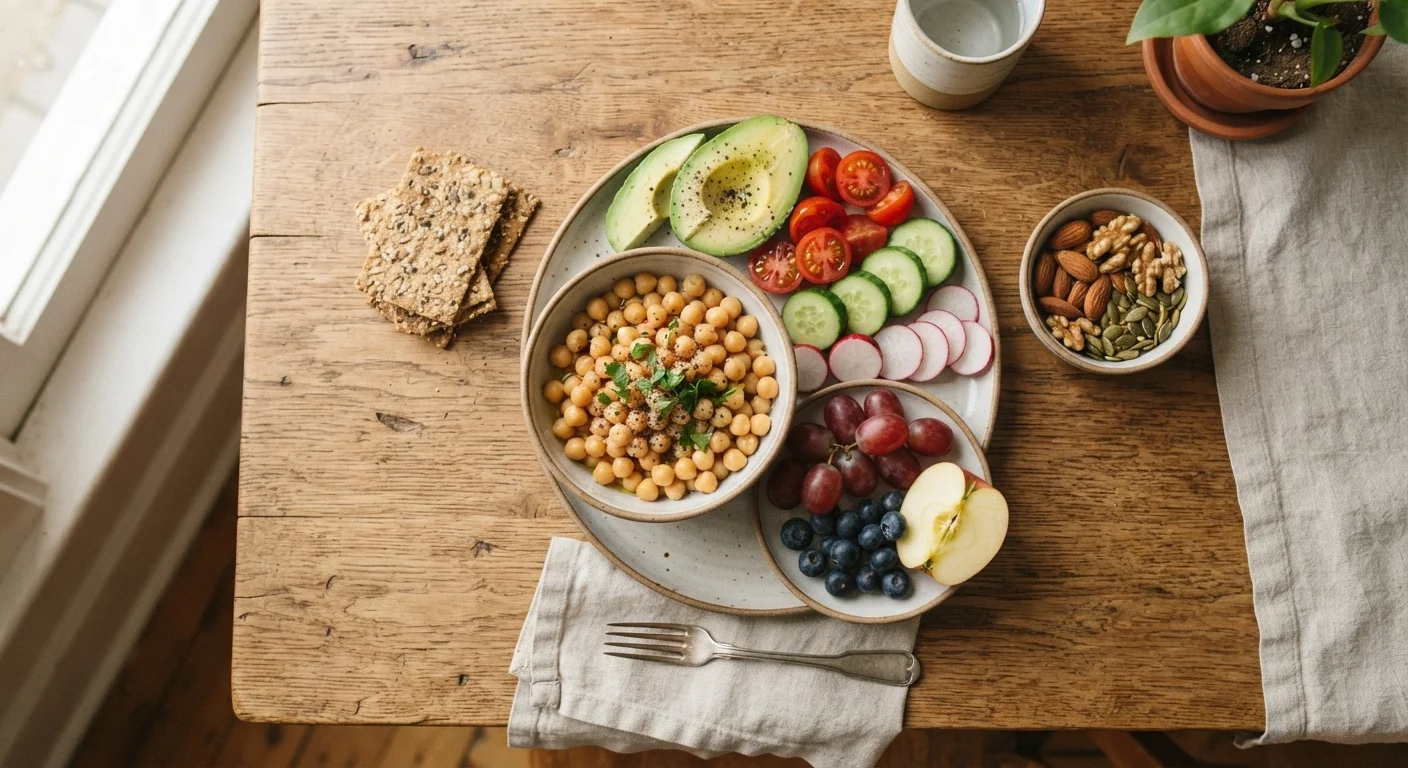
Key Takeaways
- Eating nutritiously does not require cooking from scratch or following a meal prep routine.
- Stocking a few shelf-stable, ready-to-eat foods covers most daily nutrient needs with minimal effort.
- Small, consistent choices across the day matter more than any single elaborate meal.
- Protein, fiber, and healthy fats can all come from foods that need zero cooking.
- Consulting a registered dietitian is worthwhile if you have specific health conditions or dietary restrictions.
Why cooking is not a prerequisite for good nutrition
Nutrition science focuses on what you eat, not how it was prepared. Many nutrient-dense foods, including canned legumes, fresh fruit, yogurt, nuts, and pre-cooked grains, require no heat at all. The gap between a nutritious diet and a poor one, for most people who do not cook, comes down to what is available and within reach when hunger arrives.
If you want a broader foundation for thinking about food groups and nutrients before diving into specific habits, the starter's guide to understanding nutrition basics covers the core concepts without requiring any prior knowledge.
The practices below work because they lower friction. They do not assume you own a knife, a pan, or thirty free minutes. Each one is designed to fit into whatever pattern of eating you already have.
Core habits that cover most daily nutritional needs
Six habits, applied consistently, cover protein, fiber, healthy fats, and the most common micronutrient gaps for adults who rarely cook.
Build meals around two or three ready-to-eat protein sources you keep on hand at all times.
Protein supports muscle maintenance, satiety, and steady energy. Without a cooking routine, it is the nutrient most likely to fall short because many common grab-and-go foods are carbohydrate-heavy.
Treat canned and frozen produce as nutritionally equivalent to fresh.
Canned and frozen vegetables and legumes retain most of their vitamins and minerals because they are processed close to harvest. Waiting to cook fresh produce often means it goes uneaten.
Pre-portion nuts, seeds, and nut butter packets so they are the easiest snack available.
Healthy fats and plant-based protein from nuts and seeds help maintain blood sugar stability between meals. The barrier to eating them needs to be lower than the barrier to reaching for processed snacks.
Use whole grain bread, crackers, or wraps as the structural base for fast, balanced meals.
Whole grains provide fiber and B vitamins that refined grain products largely lack. Choosing a whole grain base costs no additional time and meaningfully improves the nutritional profile of a meal assembled in minutes.
Add a fruit or vegetable to every eating occasion, even if it is only one item.
Consistent fruit and vegetable intake is associated with lower risk of several chronic diseases, and variety across the week matters more than hitting any specific daily count. One piece of fruit per meal is more achievable than planning elaborate vegetable sides.
Read nutrition labels to compare fiber and added sugar content, even on foods marketed as healthy.
Packaged convenience foods vary widely in nutritional quality, and front-of-pack claims like 'natural' or 'multigrain' do not reliably indicate a high-fiber or low-added-sugar product. Spending thirty seconds on the label prevents consistently poor choices.
If cost is a concern alongside convenience, eating nutritiously on a tight budget covers how to stretch a grocery budget without sacrificing balance. Canned and frozen foods, central to no-cook eating, are also among the most affordable options available.
Stock your space before you need it
The most effective nutritional habit for non-cooks is not a technique; it is inventory. When your fridge, pantry, and bag contain at least one ready protein, one fruit or vegetable, and one whole grain option, every meal becomes a two-minute assembly task rather than a decision you delay. Do this once a week during a grocery trip and the daily choices follow naturally.
Quick actions you can take today
None of the habits above require a meal plan or a full kitchen reorganization. These four actions can start immediately.
This article is general information, not medical advice
The habits described here are intended for generally healthy adults looking for practical everyday guidance. They are not a substitute for personalized advice from a registered dietitian or physician. If you have a diagnosed health condition, food allergies, or specific dietary needs, consult a qualified healthcare professional before making significant changes to how you eat.
For people who do want to experiment with some planning, the weekly meal planning checklist offers a structured approach that works even for minimal cooks, since many of its steps involve shopping and assembling rather than cooking from scratch.