

| Typical oil change interval (synthetic oil) | 7,500 to 10,000 miles (General manufacturer guidance; always verify with your owner's manual) |
| Tire rotation frequency | Every 5,000 to 8,000 miles (Common industry recommendation) |
| Timing belt replacement range | 60,000 to 100,000 miles (Varies by manufacturer; check owner's manual) |
| Spark plug lifespan (iridium/platinum) | 60,000 to 100,000 miles (General range; copper plugs wear faster) |
| Brake pad thickness: replacement threshold | Typically at or below 2-3 mm (General mechanic standard; verify with a qualified technician) |
Core services and what they actually do
Most routine maintenance falls into a short list of services that address the parts of a vehicle under the most consistent stress: the engine, tires, brakes, and cooling system. Understanding what each service does helps you follow your vehicle's schedule with confidence rather than guessing.
| Typical oil change interval (synthetic oil) | 7,500 to 10,000 miles (General manufacturer guidance; always verify with your owner's manual) |
| Tire rotation frequency | Every 5,000 to 8,000 miles (Common industry recommendation) |
| Timing belt replacement range | 60,000 to 100,000 miles (Varies by manufacturer; check owner's manual) |
| Spark plug lifespan (iridium/platinum) | 60,000 to 100,000 miles (General range; copper plugs wear faster) |
| Brake pad thickness: replacement threshold | Typically at or below 2-3 mm (General mechanic standard; verify with a qualified technician) |
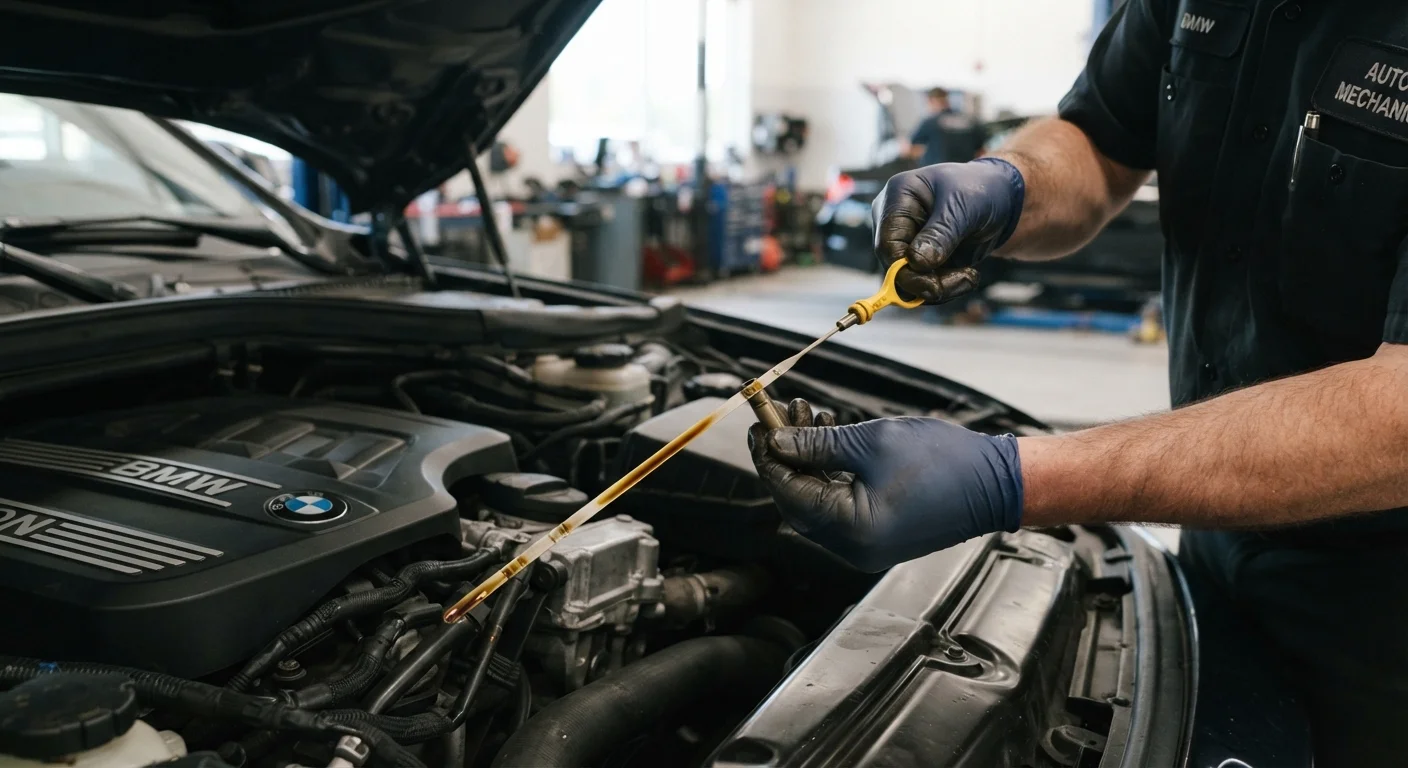
Oil and filter change. Engine oil lubricates moving metal parts and carries heat away from the engine. Over time, oil breaks down and accumulates contaminants. Changing it on schedule prevents excessive wear. Most manufacturers specify an interval in the owner's manual; many modern vehicles with full synthetic oil use intervals of 7,500 to 10,000 miles, while older vehicles or those using conventional oil often require changes every 3,000 to 5,000 miles. Follow your owner's manual rather than a generic rule.
Tire rotation. Tires wear unevenly depending on their position. Front tires on front-wheel-drive vehicles typically wear faster at the outer edges. Rotating tires every 5,000 to 8,000 miles (often done with an oil change) helps distribute wear so all four tires last longer. See which tire tasks are realistic for non-mechanics before attempting this yourself.
Brake inspection. Brake pads wear down through friction. Most pads include a wear indicator that produces a squealing sound when replacement is due. A mechanic can measure pad thickness during any routine service visit. Rotors may also need resurfacing or replacement over time. Brake system health is directly tied to stopping distance, so this inspection should never be deferred if warning signs appear.
Air filter replacement. The engine air filter keeps debris out of the intake. A clogged filter restricts airflow and can reduce fuel efficiency. Replacement intervals vary widely by driving environment: dusty or rural driving conditions wear filters faster than highway commuting.
Fluids, belts, and less obvious intervals
Beyond oil, several other fluids need periodic attention. Coolant (antifreeze) prevents the engine from overheating and from freezing in cold weather. Transmission fluid lubricates the gearbox. Brake fluid absorbs moisture over time, which lowers its boiling point and reduces braking performance. Power steering fluid and windshield washer fluid round out the under-hood checklist. Intervals for these vary by vehicle; the owner's manual is the definitive reference.
Spark plugs ignite the air-fuel mixture in the cylinders. Worn plugs can cause misfires, rough idling, and reduced fuel economy. Copper plugs may need replacement every 30,000 miles, while iridium or platinum plugs in newer vehicles often last 60,000 to 100,000 miles.
Timing belts and chains synchronize the engine's internal components. A snapped timing belt can cause severe engine damage. Most manufacturers specify a replacement interval (commonly 60,000 to 100,000 miles for belts) in the owner's manual. Timing chains are generally more durable but still require monitoring. This is one service to track carefully; a consistent maintenance log makes it easier to stay on schedule.
Cabin air filters clean the air flowing through the heating and air conditioning system. They are separate from the engine air filter and are often overlooked. A dirty cabin filter reduces airflow from vents and can affect air quality inside the vehicle.
For a broader look at how maintenance spending fits into total vehicle costs, see managing car ownership costs long term.
Synthetic oil
A fully engineered motor oil that resists breakdown at high temperatures better than conventional petroleum-based oil. It typically allows longer service intervals and is specified by most modern vehicle manufacturers.
Brake rotor
A metal disc that rotates with the wheel. Brake pads clamp against the rotor to slow the vehicle. Rotors can wear thin or warp over time and may need resurfacing or replacement.
Timing belt
A rubber belt that synchronizes the crankshaft and camshaft inside the engine. If it breaks while the engine is running, it can cause significant internal engine damage. It has a manufacturer-specified replacement interval.
Coolant (antifreeze)
A liquid mixture, typically ethylene glycol and water, that circulates through the engine and radiator to regulate temperature. It prevents both overheating in summer and freezing in winter.
Wear indicator
A small metal tab built into brake pads that contacts the rotor when the pad wears down to a minimum safe thickness. Contact produces a high-pitched squeal as a warning that replacement is needed.
Cabin air filter
A replaceable filter in the vehicle's HVAC system that traps dust, pollen, and debris before air enters the passenger compartment. It is separate from the engine air filter and has its own replacement schedule.
This article provides general vehicle maintenance information for educational purposes. Always consult your owner's manual and a qualified mechanic for guidance specific to your vehicle.