

| Total AT length | Approximately 2,190 miles (Appalachian Trail Conservancy) |
| States crossed | 14, from Georgia to Maine (Appalachian Trail Conservancy) |
| Typical thru-hike duration | 4 to 6 months (Appalachian Trail Conservancy) |
| Peak northbound start window | March through April (Springer Mountain, Georgia) |
| Trail headquarters town | Harpers Ferry, West Virginia (Appalachian Trail Conservancy) |
| Longest roadless section | 100-Mile Wilderness, Maine (Appalachian Trail Conservancy) |
What makes a trail town different from a regular small town
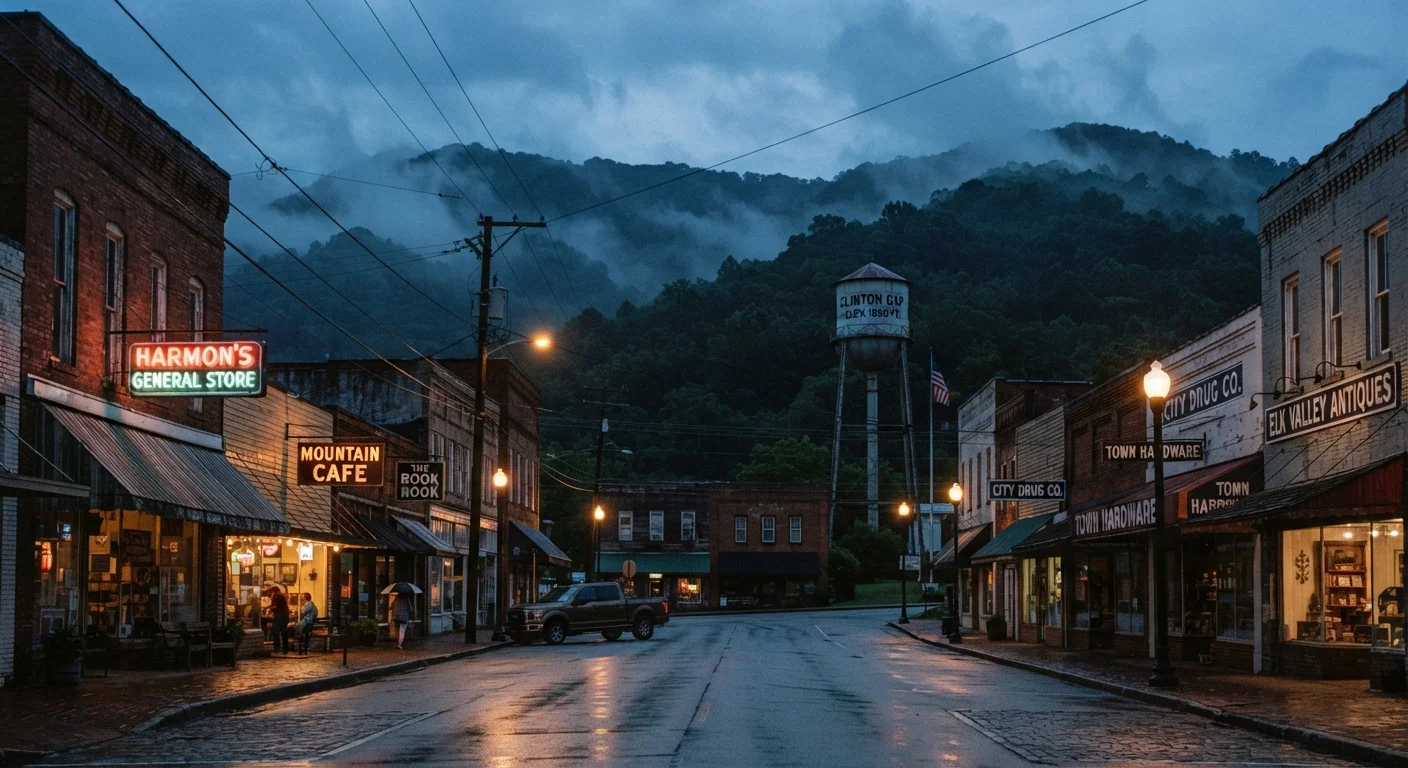
An Appalachian Trail town is not simply a town that happens to be near woods. It is a place where the social and economic rhythms of a community have bent, at least partly, around a 2,190-mile footpath. Hikers arrive hungry, tired, and carrying a month of grime. Towns respond by building laundromats that stay open late, stocking outfitter shelves with denatured alcohol and freeze-dried meals, and training hostel staff to explain mail-drop logistics to first-time thru-hikers.
The AT passes through or near roughly 50 towns across 14 states, but the towns that function as genuine hiker hubs share a few structural traits: a hostel or bunkhouse (sometimes in a church basement), at least one diner willing to serve a full breakfast at 6 a.m., a post office familiar with general-delivery packages, and locals who recognize the "1000-mile stare" on a thru-hiker's face.
For visitors who are not hiking the trail itself, these towns are worth knowing because they preserve a version of Appalachian life that is neither museum-piece quaint nor purely tourist-facing. The economy is real, the landscape is accessible, and the mix of long-distance travelers and permanent residents produces a social texture you do not find in resort towns.
Thru-hiker
A person attempting to hike the entire Appalachian Trail in a single continuous journey, typically taking four to six months. Most start in Georgia in early spring and finish in Maine by fall.
Section hiker
A hiker completing the AT in segments over multiple trips or years rather than in one continuous journey. Section hikers may cover the trail over a decade or more.
Mail drop
A package of supplies, food, or gear that a hiker mails ahead to a post office or hostel along the route for pickup. Many AT towns are chosen as mail-drop points because of post office access.
100-Mile Wilderness
A remote stretch of the AT in Maine between Monson and Baxter State Park with no road crossings. It is the longest roadless section of the trail and requires hikers to carry full resupply from the start.
General delivery
A postal service that holds packages at a local post office for pickup by travelers who lack a permanent local address. Thru-hikers use general delivery to receive mail drops along the route.
A closer look at towns along the route
The character of individual trail towns varies considerably by region.
Damascus, Virginia is often called the friendliest town on the trail, a description it has earned through decades of hosting. The town sits directly on the AT, which passes through the main street, and it hosts Trail Days each May, a gathering that draws former thru-hikers and gear makers. The town is small enough that a visitor can walk the entire downtown in 20 minutes, but its concentration of hiker infrastructure is dense.
Hot Springs, North Carolina has natural mineral baths that have drawn travelers since the 19th century. The trail runs through town, and the combination of thermal springs and hiker traffic gives the place an unusual layered identity: part Appalachian working community, part wellness destination.
Harpers Ferry, West Virginia is as much a Civil War history site as a trail town. It sits at the confluence of the Shenandoah and Potomac rivers and holds the headquarters of the Appalachian Trail Conservancy. Visitors with no hiking plans still come for the national historic park. Hikers often treat it as a psychological midpoint on their journey north.
Monson, Maine is the last town before the 100-Mile Wilderness, a stretch with no road crossings. It functions as a final resupply point for northbound thru-hikers and a first stop for those finishing the trail. Shaw's Hostel there has operated for decades and has its own place in AT lore.
For those interested in urban trail access as a contrast, urban trail networks in major US cities offer a different but equally accessible introduction to trail culture.
| Total AT length | Approximately 2,190 miles (Appalachian Trail Conservancy) |
| States crossed | 14, from Georgia to Maine (Appalachian Trail Conservancy) |
| Typical thru-hike duration | 4 to 6 months (Appalachian Trail Conservancy) |
| Peak northbound start window | March through April (Springer Mountain, Georgia) |
| Trail headquarters town | Harpers Ferry, West Virginia (Appalachian Trail Conservancy) |
| Longest roadless section | 100-Mile Wilderness, Maine (Appalachian Trail Conservancy) |
How to visit as a non-hiker
Most AT towns are easy to explore without a backpack. Day hiking is the most direct option: the trail is public land for its entire length, and trailheads near towns are usually well-marked. A half-day walk out of Damascus or Hot Springs lets a visitor understand the terrain and the scale of the project without requiring any specialized gear beyond sturdy footwear and water.
Beyond the trail itself, these towns repay slower attention. Local diners, general stores, and small museums carry the material culture of the region. In Harpers Ferry, the national park's exhibits explain not just the John Brown raid but also the geology and ecology of the Blue Ridge. In Gatlinburg, Tennessee, on the edge of Great Smoky Mountains National Park, the AT connection is almost submerged beneath heavy tourism infrastructure, but the trailhead at Newfound Gap is accessible and the park itself draws serious hikers year-round.
Visitors should check road and accommodation availability before traveling. Many trail towns have limited lodging, and popular weekends (especially around spring thru-hiker season, roughly March through May for northbound hikers) can stretch capacity. Calling ahead or checking town websites is practical advice, not a formality.
Weather in Appalachian towns varies sharply by elevation and season. Summer afternoons bring afternoon thunderstorms at higher elevations. Fall foliage peaks at different times along the route, generally moving south as autumn advances. Always verify current conditions and any relevant trail advisories with official sources such as the Appalachian Trail Conservancy or the National Park Service before visiting.