
Visa Applications Demystified: What Every First-Time International Traveller Should Know

Key Takeaways
- A visa is permission to request entry, not a guarantee of it; border officers make the final call.
- Visa requirements depend on your passport nationality, not just your destination country.
- Many countries offer visa-free or visa-on-arrival access to US passport holders, but always verify before travel.
- Start the application process at least 6 to 8 weeks before your intended departure date.
- Always confirm current requirements through official government sources, not third-party websites.
Start here
What a visa actually is
Next
Types of visas you are likely to encounter
Then
Documents most applications require
Before you apply
Where to verify requirements before you apply
Avoid pitfalls
Common reasons applications are delayed or denied
What a visa actually is
A visa is an official endorsement, typically a stamp or sticker in your passport, that a foreign government grants to allow you to request entry into its country. The word comes from the Latin charta visa, meaning a paper that has been seen and approved. What many first-timers miss is that a visa is not a guaranteed ticket in. It authorizes you to arrive at a border and ask for admission. The final entry decision belongs to the immigration officer on the other side.
Visas specify conditions: how long you can stay, what activities are permitted (tourism, study, work), and how many times you may enter. Traveling beyond those conditions can result in fines, deportation, or future entry bans. For broader context on terms you will encounter throughout the planning process, the key concepts guide for international travellers covers transit visas, reciprocal fees, and travel advisories in one place.
Visa
An official endorsement from a foreign government that allows you to travel to its border and request entry. It sets conditions such as length of stay and permitted activities.
Visa on arrival
A visa you obtain at the destination airport or border crossing rather than applying in advance. Eligibility depends on your passport nationality.
e-Visa
An electronically issued travel authorization applied for and approved entirely online, linked to your passport number rather than printed in your passport.
Transit visa
A visa required to pass through a country on the way to your final destination, even if you do not leave the airport or enter the country properly.
Passport validity requirement
Many countries require your passport to remain valid for at least 6 months beyond your planned departure date from that country, not just until your arrival.
Consulate
An official government office of a foreign country, located in your home country, that processes visa applications and provides travel documentation services.
Types of visas you are likely to encounter
Tourist visas cover leisure travel and are the category most first-timers need. They come in three common formats:
- Visa sticker or stamp: Applied to your passport through a consulate or embassy, either by mail or in person.
- Visa on arrival (VOA): Issued at the destination airport or border crossing. You pay a fee and receive a stamp without applying in advance, though some countries require you to confirm eligibility before traveling.
- e-Visa: A fully online process where you submit your application, pay fees, and receive an electronic approval linked to your passport number. No physical document is placed in your passport.
Beyond tourism, business visas, student visas, and transit visas each have separate rules. A transit visa covers passing through a country on the way to your final destination, even if you never leave the airport. Not all passport holders need one, but some do, so check for every country your itinerary touches.
Documents most applications require
Requirements vary by destination and visa category, but most tourist applications ask for a consistent core set of documents:
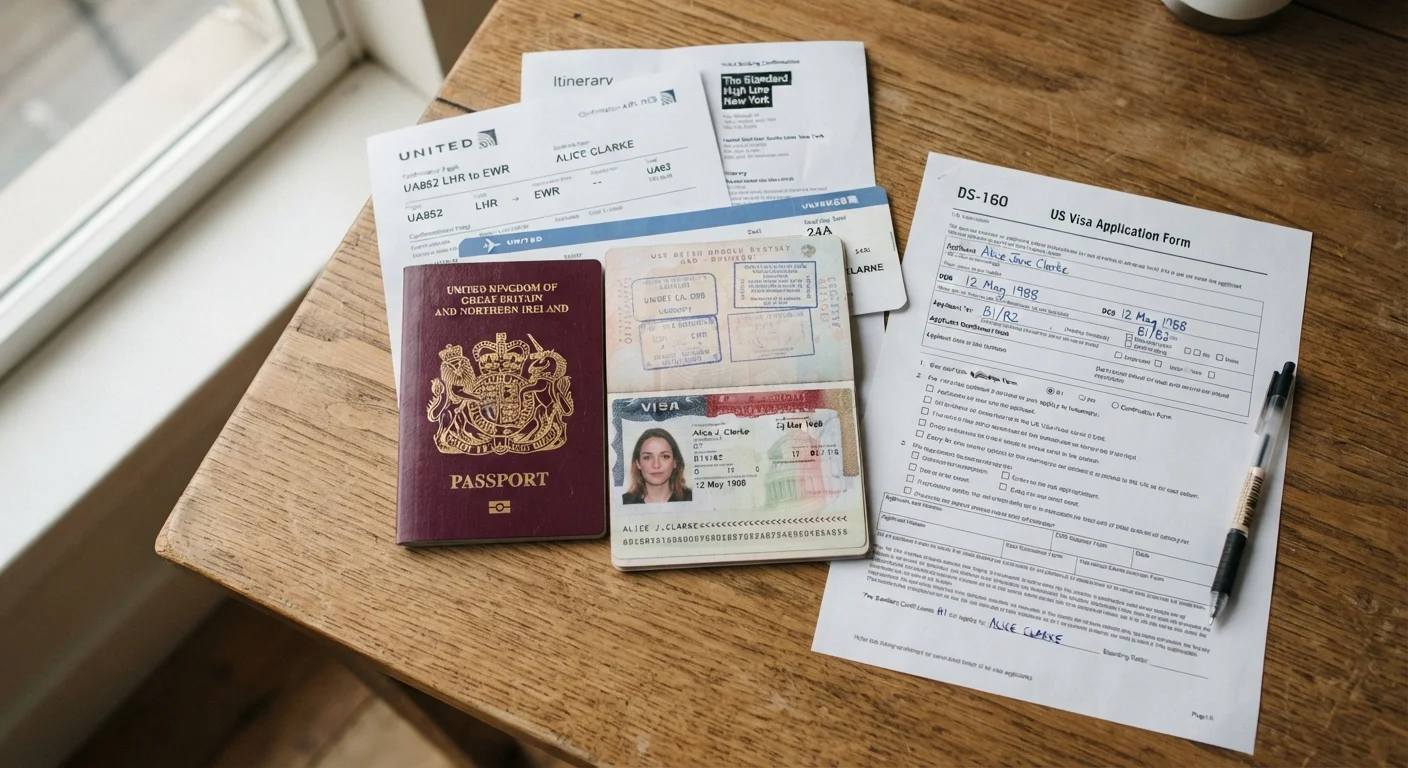
- A valid passport with at least 6 months of validity beyond your planned return date, plus blank pages for stamps.
- A completed application form, either paper or online depending on the country.
- A recent passport-style photograph meeting the destination country's specific size and background requirements.
- Proof of onward travel, such as a return flight booking or an itinerary showing you plan to leave.
- Proof of accommodation, such as hotel confirmations or a letter from a host.
- Bank statements or other evidence that you can support yourself financially during the stay.
- Travel insurance documentation (required by some countries, strongly advisable for all).
Some destinations add requirements: an invitation letter from a citizen or registered business, a medical certificate, or a biometric appointment. Always download the official checklist from the consulate's website rather than relying on third-party summaries, which may be outdated.
Where to verify requirements before you apply
The most reliable source for visa requirements is always the official embassy or consulate of the destination country in your home nation. For US citizens, the State Department's travel website (travel.state.gov) publishes country-specific information and links to consular resources. The destination country's own government immigration portal is equally authoritative.
Check official sources close to your travel date
Visa requirements can change at short notice due to diplomatic agreements, public health situations, or policy updates. Check the official embassy website of your destination country within 30 days of applying, even if you did preliminary research months earlier. Signing up for travel alerts from the US State Department is also a practical step for keeping up with any changes.
Avoid relying solely on travel blogs, booking platforms, or social media threads for visa information. These sources may reflect outdated rules or individual experiences that do not apply to your passport or nationality. Visa policies change, sometimes without much public notice, so verify through official channels close to your departure date.
Once you have your visa sorted, the pre-departure checklist for international trips is a practical next step to make sure documents, finances, and health prep are all in order before you fly.
Common reasons applications are delayed or denied
Understanding why applications run into trouble can help you avoid the same problems. The most common issues include:
- Incomplete or inconsistent forms: a mismatched date, a missing field, or an address that conflicts with another document.
- Photographs that do not meet specifications: wrong dimensions, incorrect background color, or taken too long ago.
- A passport that expires too soon or has no blank pages left for stamps.
- Insufficient proof of financial means or accommodation.
- Applying too close to your travel date, leaving no buffer for processing.
- A previous visa violation or overstay on your travel history.
If your application is denied, the consulate will usually indicate a reason. In many cases you can reapply with corrected documents. For a broader look at what is fact versus widespread misconception about international travel, see common myths about travelling to unfamiliar countries.
This article provides general information about visa processes for educational purposes only. Visa rules, fees, and requirements change frequently and vary based on individual circumstances. Always verify current requirements through official embassy, consulate, or government sources before making travel plans or purchases.